The Scandanivan Scarf
Travel back 3,000 years, to ancient India, into the Indus Valley Civilization. The air is hot and dry. Women are everywhere, participating in markets, agriculture, and art. Some spin cotton by hand, and others trade spices. But across regions and roles, one item connects them all: the dupatta.
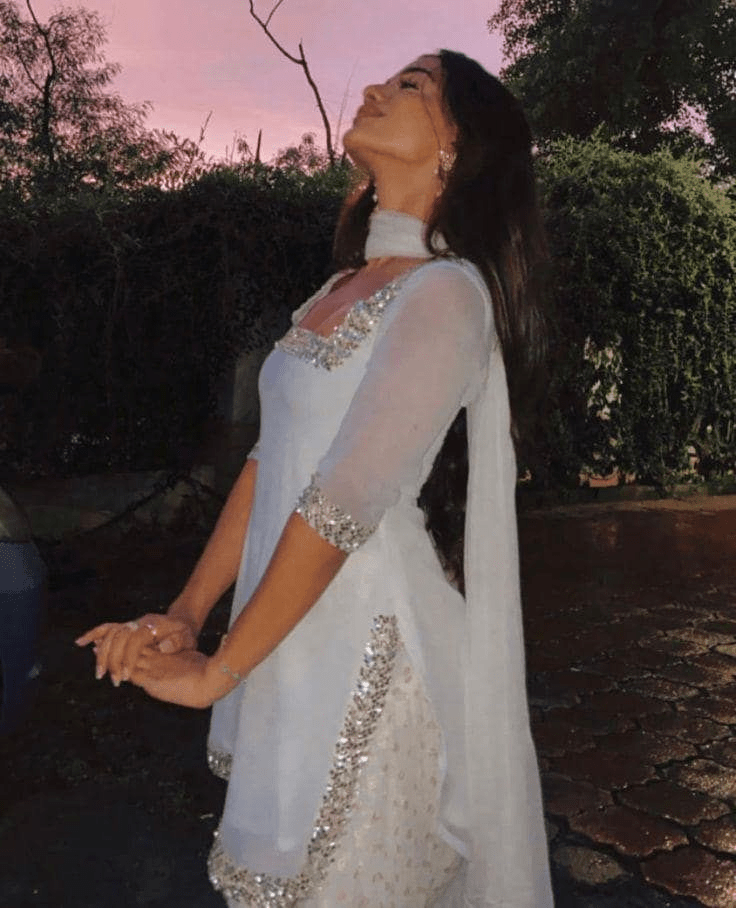
The dupatta is a shawl that carries layers of tradition, modesty, and cultural expression. It began as a covering in ancient India, a protection from the dust and sun. It was worn by both men and women, and used for modesty as well. Eventually men switched to turbans and shawls, and the dupatta became more gendered. This practice intensified when the Mughals, who wore veils for religious reasons, conquered India. Women were now expected to veil themselves. During the Mughal Era, the dupatta became more elaborate, through laborious bead embroidery and hand dyeing.

Even today, the dupatta is a quintessential part of South Asian culture. The dupatta still breathes in every South Asian household. It is thrown over the shoulder by the bride’s sister at a wedding. It’s clutched in the hands of a grandmother as she chants morning prayers. It’s found crushed at the bottom of a handbag after a long day of errands. Still soft, still sacred. Its history is preserved and remembered every time.
Recently, the Dupatta caught the eyes of the Western World.
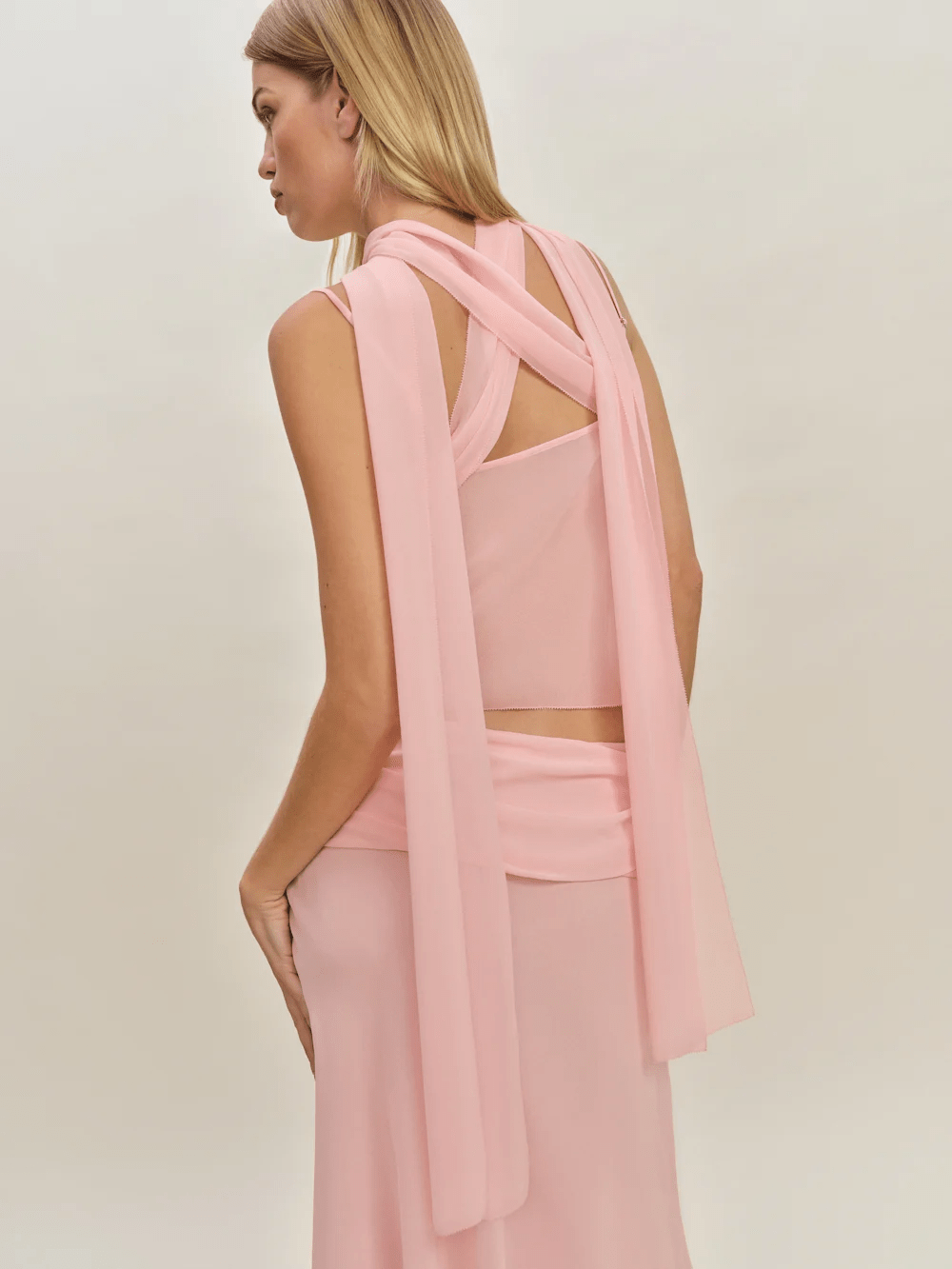
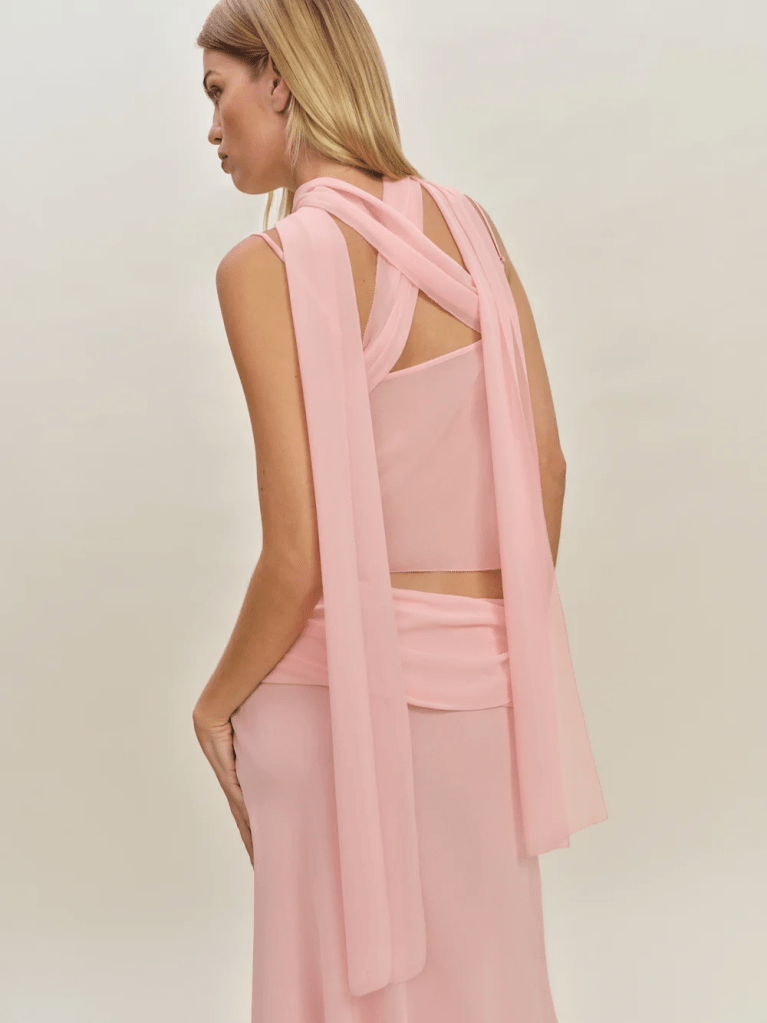
A collaboration by the popular brand, Reformation, and influencer Devon Lee Carlson rebranded the dupatta as their very own “Lula Top”. A sheer piece of fabric, tied across the chest, worn like a scarf – something every South Asian immediately recognized.
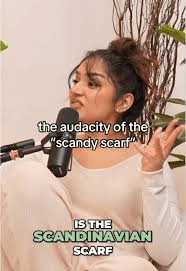
In another instance, a TikTok recently went viral about a girl asking what a specific aesthetic was called. I love this kind of ‘Chic Scandinavian scarf”, she said. What was she talking about?
A dupatta.
One influencer responded, “You can’t profit off our culture while ignoring our presence.”
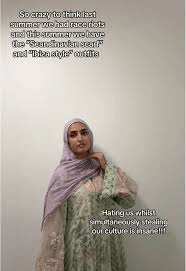

The TikToker apologized, but the brands did not: the Lula Top is still for sale, despite facing protests since March 31, 2025. When the dupatta becomes the “Lula Top,” its roots are severed, and centuries of culture are wiped clean. To erase history is never a neutral act; it’s a violent one. It’s telling that neither Reformation nor Devon Lee Carlson ever responded to the outrage. It’s one thing to absorb a garment into a fashion line; that could be an accident. But then to refuse a conversation with the culture it’s stolen from, that’s a statement, one that perhaps the brand meant all along: the culture is nothing.
 The Fashion Clause
Leave a comment