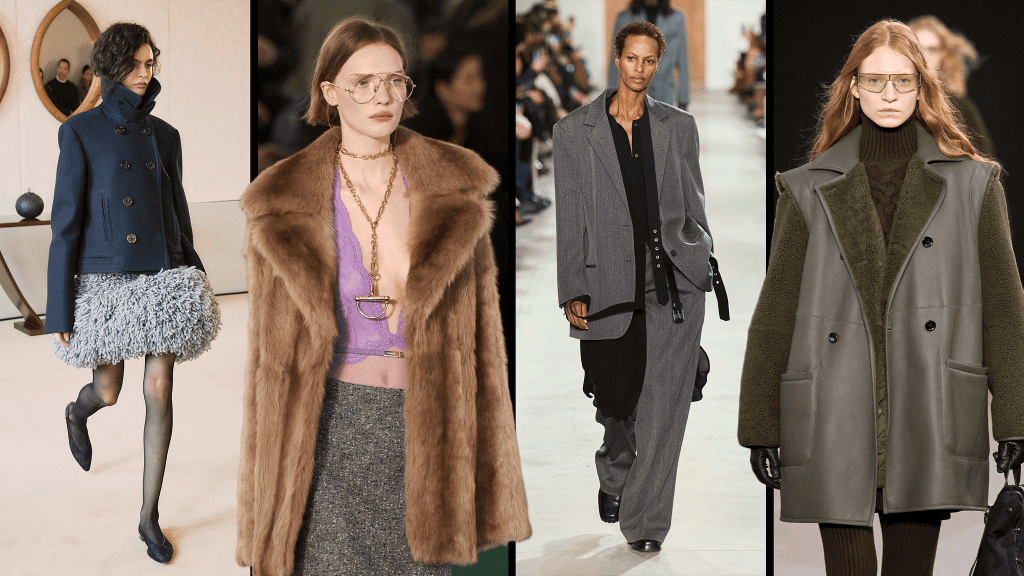
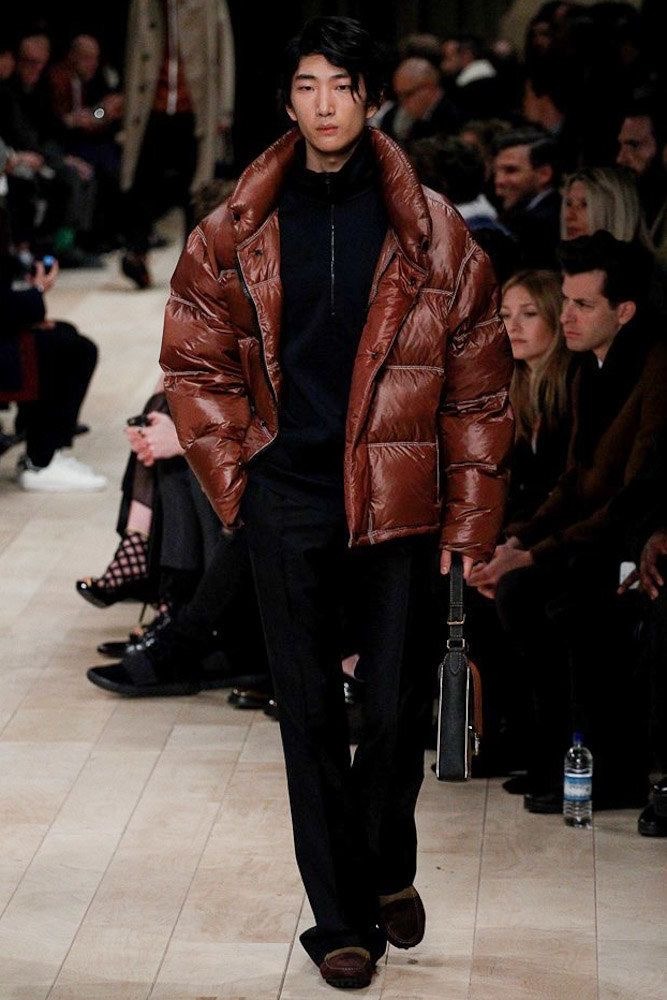
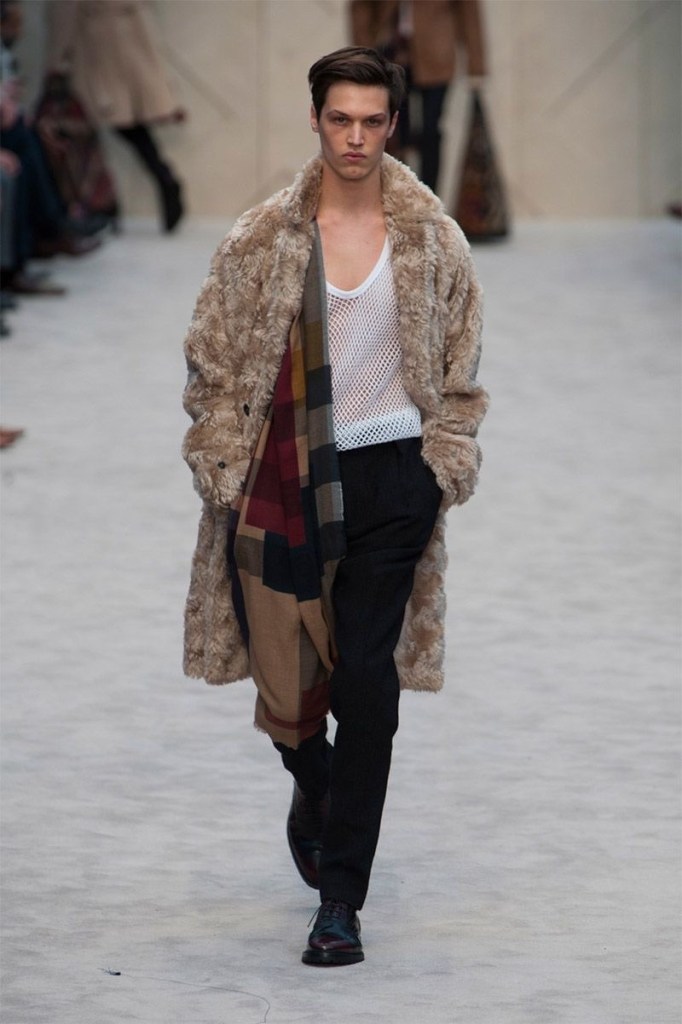
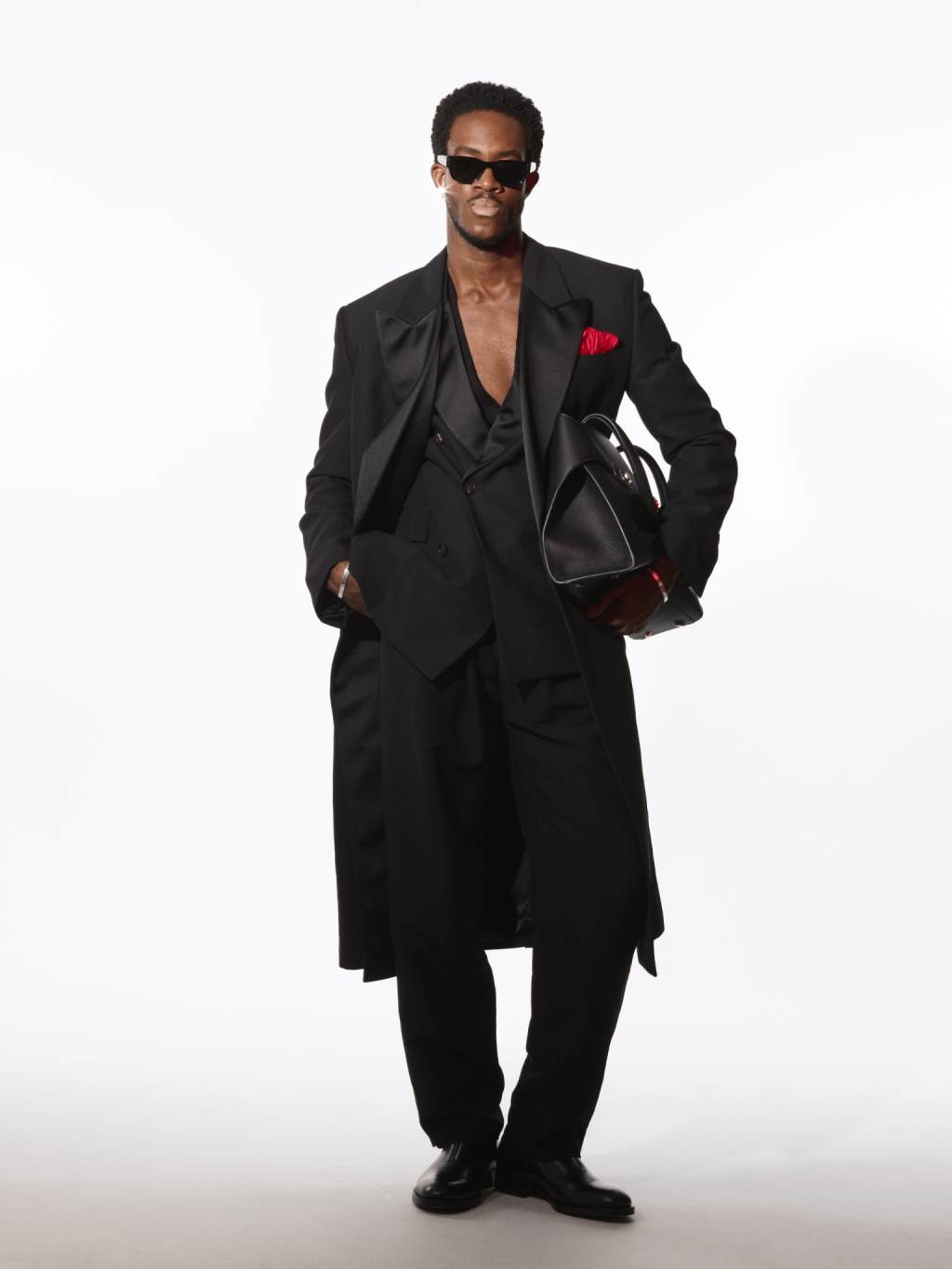
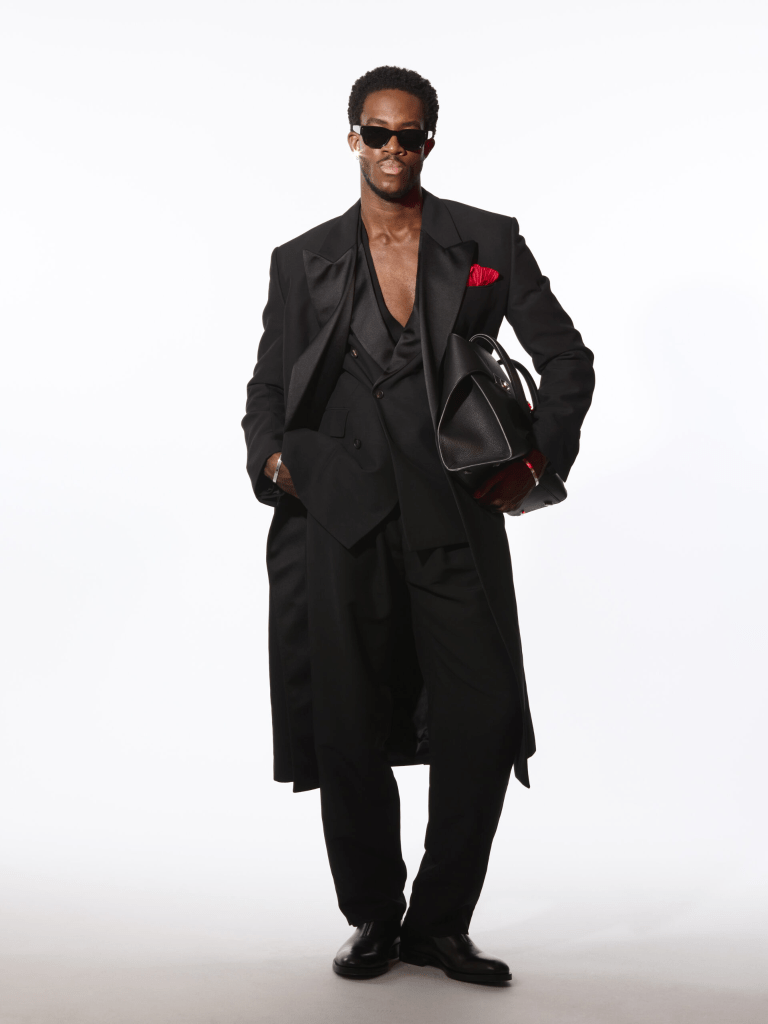
This winter’s biggest outerwear trends: shearling, peacoats, and trenchcoats. Of course all of these are undeniably chic, but are they really the best choice for frigid winter weather?
It turns out that the answer is yes; as global temperatures rise, winters grow milder, and coats aren’t so much strict necessities as fashion pieces.
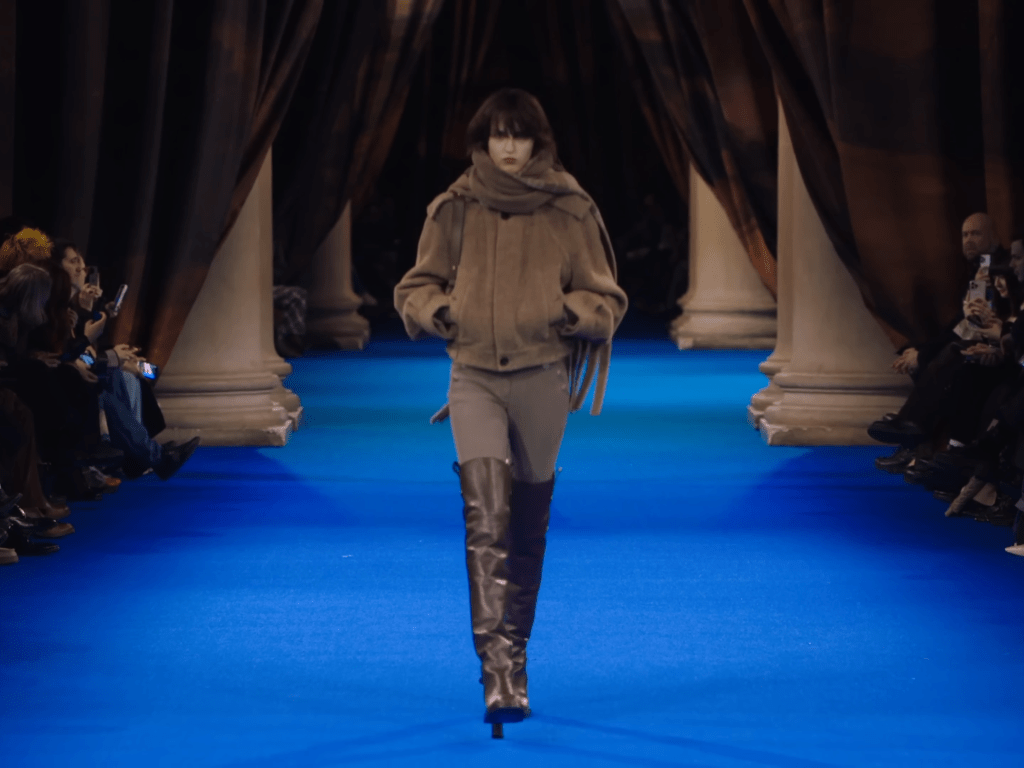
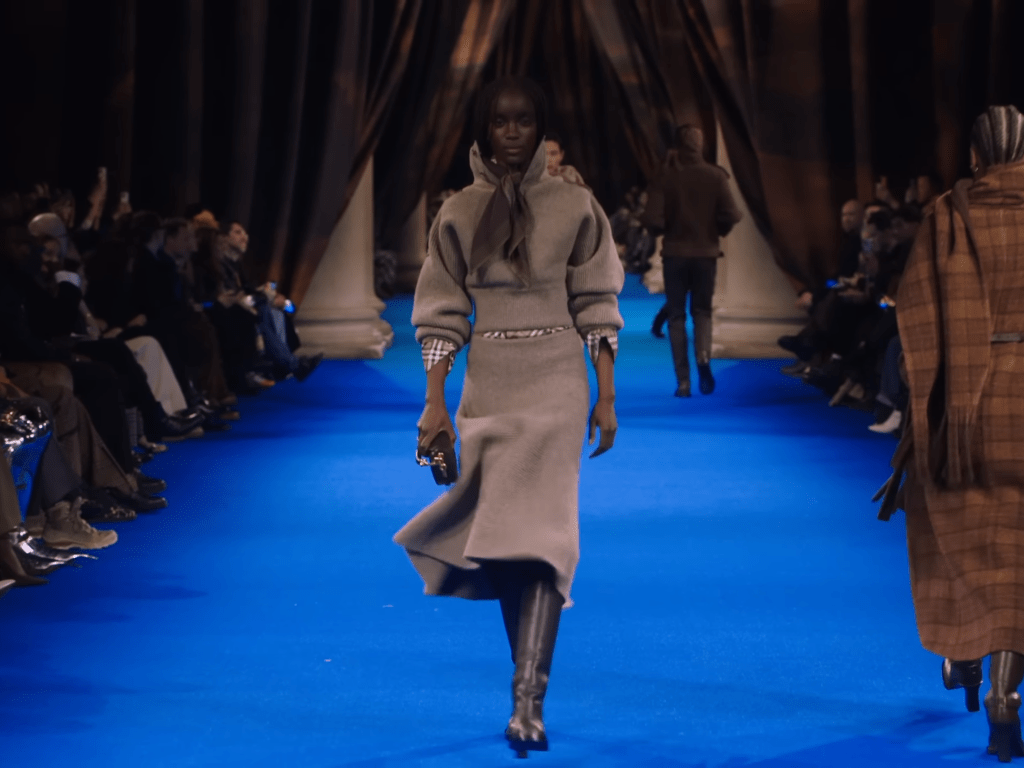
Take Burberry, for example. It originated as a winter coat brand, and, although it has expanded its collections, remains primarily known for its jackets, scarves, and other cold weather apparel. However, in their Winter 2025 Runway Show for London
Fashion Week, they debuted a collection of trenches and sweater dresses.
outerwear collection would feature so little actual warmth.
But buyers aren’t looking for serious coats this season.
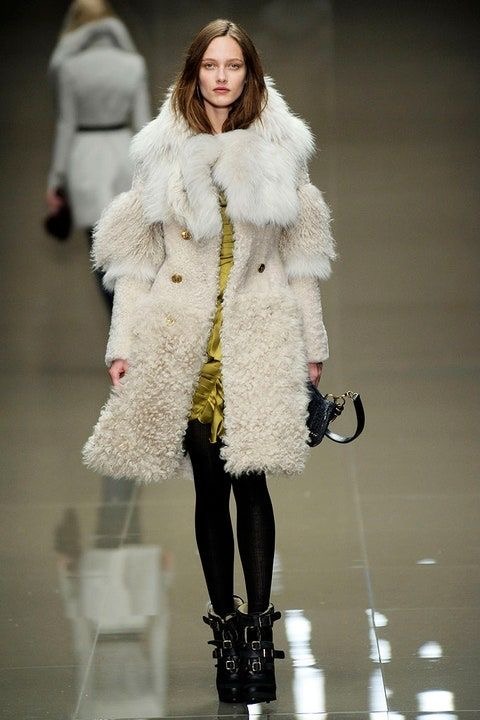
. The World Meteorologist Organization (WMO) reports that the decade of 2015 through 2024 has been the warmest since global records began in 1850. Burberry’s runways before this record breaking jump featured extensive use of fur, as well as wool and puffer jackets. Christopher Bailey’s 2014 collection, for example, leaned heavily into fur, using it to line jackets and hoods for extra warmth. In fact, this was a pattern repeated throughout the early 2000s Burberry’s outfits were meticulously layered with traditional cold-weather pieces, like knit sweaters, and puffer jackets. Scarves, boots, and tights appeared throughout the collection, tying the looks together and reinforcing the idea that these clothes were designed for real winter weather, not just the runway.
All this leads to the question of what winter fashion looks like in a world losing the meaning of winter. How will designers preserve winter fashion when there is no need for it? The increase of lightweight jackets and breathable wool certainly drop some clues.
Frederick Douglass was the most photographed man in America during the 19th century, more than even Abraham Lincoln. He took advantage of this and always dressed well as a way to protest against the idea that Black Americans were less sophisticated than Whites. He quickly became a chief symbol of Black Dandyism, a cultural movement that used elegant clothing as a form of resistance against the racism of the time.
Dandyism itself originated in 18th-century Britain, led by a man named Beau Brummell. The style shifted away from the traditional flamboyancy of the elite at that time, who wore perfectly oiled and curled hair and impossibly tight breeches. Dandyism focused on a simple, but refined masculinity, with perfectly tailored suits and straight lines.
Then, during the Harlem Renaissance in 1920s America, Black Dandyism came into the spotlight. The style emerged as a way for Blacks to showcase their pride in their heritage, in a society that often denied them any dignity. It was a blend of traditional European fashion with African aesthetic influences. The finely cut suits often had vibrant colors and patterns, sometimes going as bold as leopard print. Traditional Black Dandyism was also paired with luxurious jewelry such as watches and canes. The jackets had long tails and velvet vests. In the Congo, followers of the movement—there called La Sape—defined it as “beauty as a way of existing.”
But Black Dandyism wasn’t just beauty; it was speech. Take the Zoot Suit—an intentionally oversized, draping suit with a long coat, strongly shaped shoulders, often paired with a fedora. It was a symbol of swagger and self-pride, popular not just with Black Americans, but also with Americans of Mexican and Filipino descent. In 1943, a group of Mexican, Black, and Filipino teenagers were brutally attacked In downtown LA, because their Zoot Suits distinguished them as defiant of the Jim Crow laws that blatantly limited their rights. White servicemen attacked them, ripping their suits off, violently beating them, and throwing them to the ground. The attack led to three days of riots. One reporter wrote, “Zoot-suits smoldered in the ashes of street bonfires where they had been tossed by grimly methodical tank forces of service men.” The attackers were not arrested. Instead the victims were taken by the police under the charge of disturbing the peace.
This year, Teyana Taylor paid a tribute to this event, and to all Black Dandyism, at the 2025 MET Gala. The theme was Superfine, Tailoring Black Style. Teyana Taylor’s rose-red, velvet zoot suit was adorned with feathers and diamonds, and paired with a red cane. Underneath her prominent feathered top hat was an equally red durag. The cape was embroidered with the phrase “Rose in Harlem”. The historical aspects of the suit, like the exaggerated shoulders and pinstripe pattern, all paid homage to the spirit of Black Dandyism, and to the victims of those who had paved the way for it.
Black Dandyism has always been more than a style, more than its parts. Diana Ross exemplified this in a Met Gala outfit that strayed from the traditional masculinity of Black Dandyism, featuring an 18-foot white flowing shawl, embroidered with the names of her children and grandchildren. She wore a floor-length silver dress and a wide-brimmed feathered hat, paired with statement diamonds. Her decision not to copy the specific elements of traditional Black Dandyism spoke to the fact that Dandy is more than just a style; it is about personal expression and empowerment. Her cape, a tribute to her family, exemplified the generations of Black Americans who were able to live better lives than their predecessors. In the early the 20th century, Black Dandyism signified a kind of dignity not yet given to Black people. You wore a zoot suit and you felt like you were someone – the kind of person who could walk into the Met Gala.
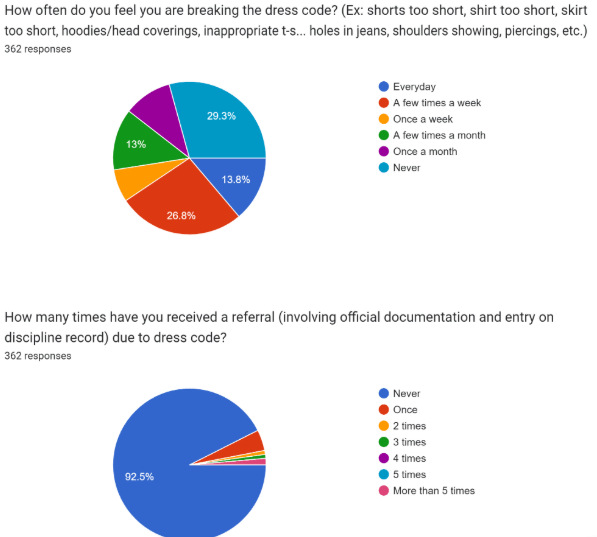
Lola Guzman was a high school student when she noticed that her high school in Louisiana had stricter restrictions on what girls could wear than what guys could, and in the sweltering Southern heat, these rules made a huge difference. Lola began surveying the students at her school, asking questions like their gender, race, and how many times they were caught out of dress code vs how many times they were out of dress code and didn’t get caught. She also reviewed school records of dress code violations. What she found surprised her. It was true that girls were targeted more, but not nearly as much as students of color in general. The school had consistently given out more referrals (which was the punishment for dress code violations. After a certain amount of referrals, grades were dropped and the students had to serve detentions. These held long lasting impacts on the students’ future, and could affect their chances at college.) to students of color. For example, in the 2017-2018 school year, 3.48% of referrals belonged to white males, 5.07% to white females, 38.98% to black males, and 51.03% to black females.
This trend was persistent in all the years she researched. This racial targeting was not just at her school – Lola’s research showed that multiple schools in the area held stricter standards for people of color. For example, durags, which is a protective head covering for black hairstyles, were said to be a violation of the rule that prohibited gang affiliated clothing. According to Lola, students were told their clothing was “gang affiliated”, when really it was just clothing worn more often by black students, such as these durags, or white tank tops. Lola’s research also delved into how school dress codes could often be classist. Schools that require uniforms do not actually provide the uniforms for the students – they have to be purchased at the expense of the parents. She researched a school in New Orleans where, when the parents could not afford the uniform, they had to volunteer four hours at the school for each article of clothing. Obviously low income families did not have the spare time to be volunteering for free, which created an unfair cycle. This type of discrimination is what sparked Lola’s interest in fashion. She saw fashion as a political statement, whether it was something big, or just being able to wear a durag to school. She is still dedicated to sharing her ideologies to the world, and has since switched to painting, where she delves into femininity, and beauty standards.
Travel back 3,000 years, to ancient India, into the Indus Valley Civilization. The air is hot and dry. Women are everywhere, participating in markets, agriculture, and art. Some spin cotton by hand, and others trade spices. But across regions and roles, one item connects them all: the dupatta.
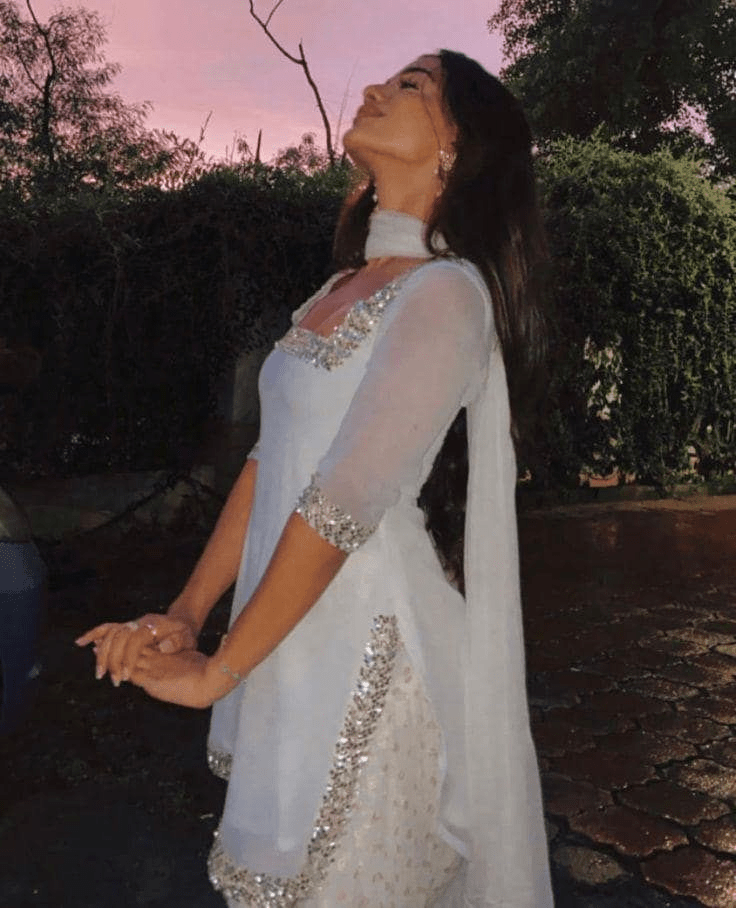
The dupatta is a shawl that carries layers of tradition, modesty, and cultural expression. It began as a covering in ancient India, a protection from the dust and sun. It was worn by both men and women, and used for modesty as well. Eventually men switched to turbans and shawls, and the dupatta became more gendered. This practice intensified when the Mughals, who wore veils for religious reasons, conquered India. Women were now expected to veil themselves. During the Mughal Era, the dupatta became more elaborate, through laborious bead embroidery and hand dyeing.
Even today, the dupatta is a quintessential part of South Asian culture. The dupatta still breathes in every South Asian household. It is thrown over the shoulder by the bride’s sister at a wedding. It’s clutched in the hands of a grandmother as she chants morning prayers. It’s found crushed at the bottom of a handbag after a long day of errands. Still soft, still sacred. Its history is preserved and remembered every time.
Recently, the Dupatta caught the eyes of the Western World.
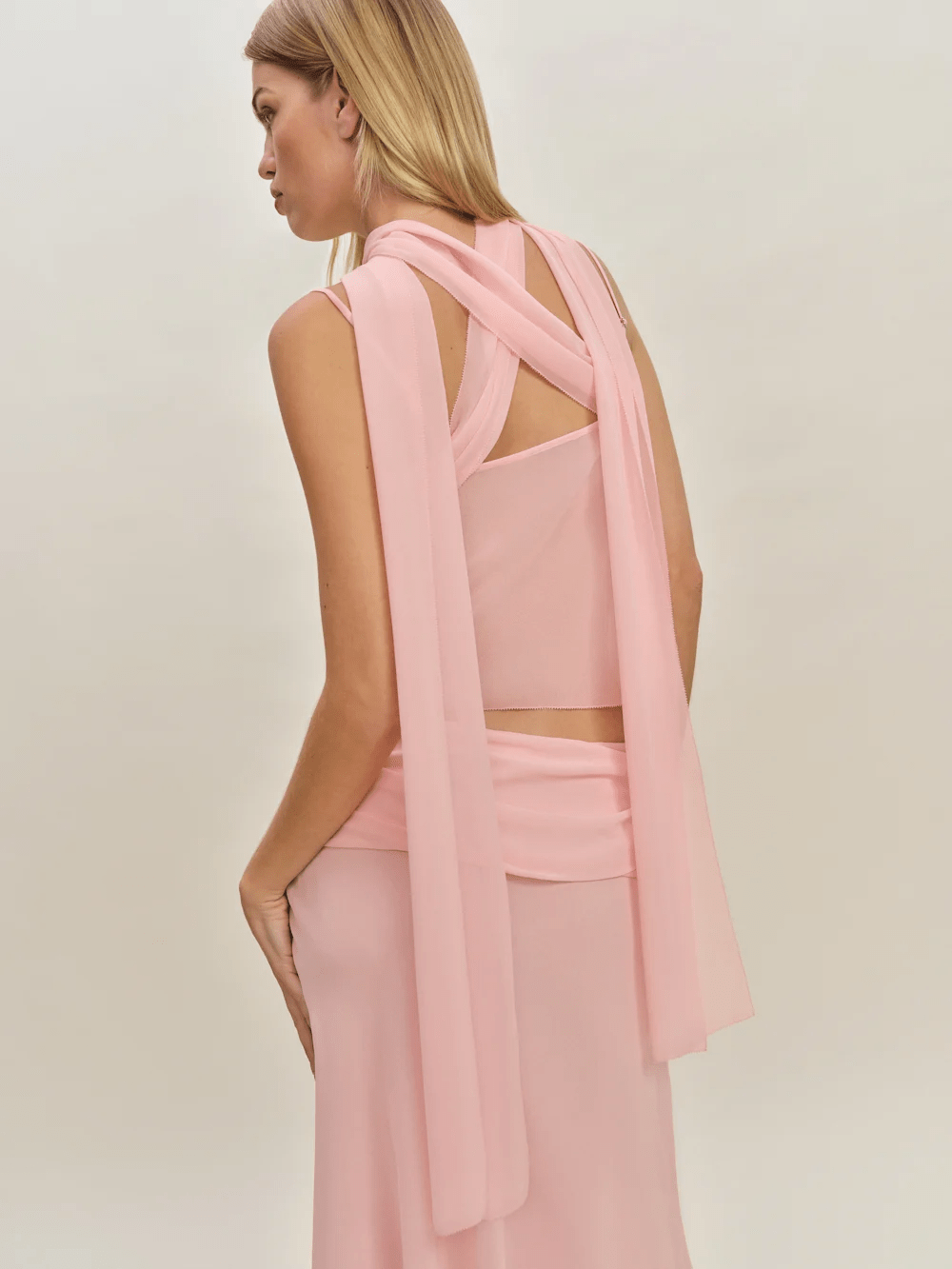
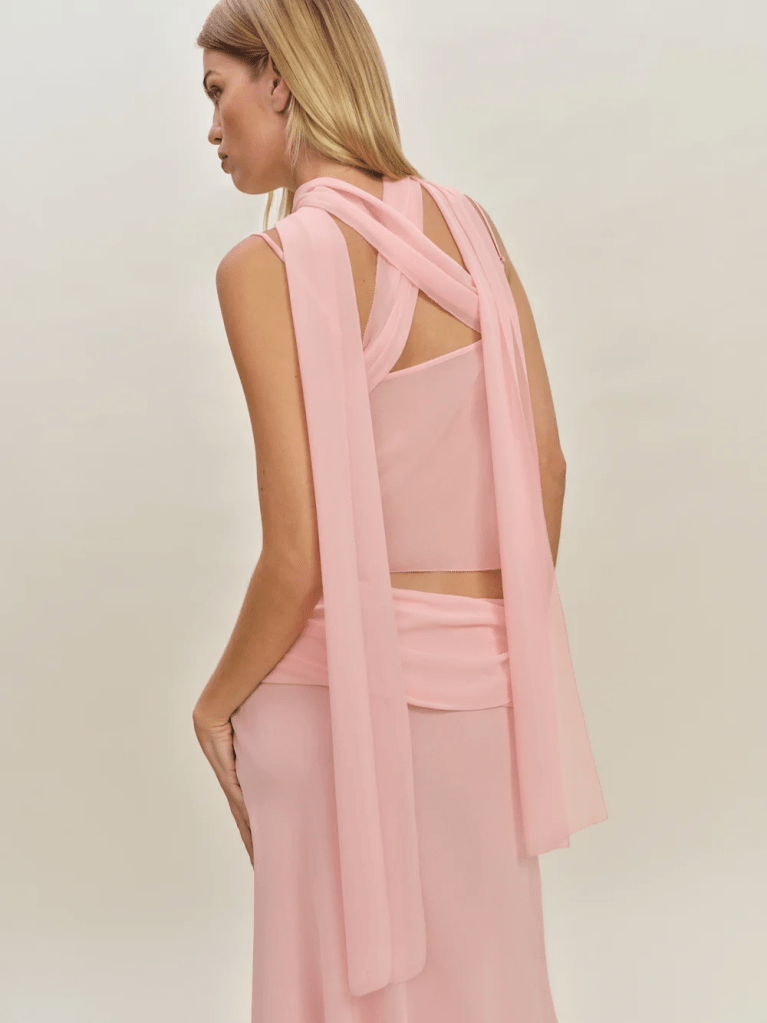
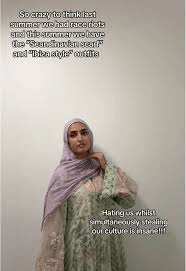
A collaboration by the popular brand, Reformation, and influencer Devon Lee Carlson rebranded the dupatta as their very own “Lula Top”. A sheer piece of fabric, tied across the chest, worn like a scarf – something every South Asian immediately recognized.
In another instance, a TikTok recently went viral about a girl asking what a specific aesthetic was called. I love this kind of ‘Chic Scandinavian scarf”, she said. What was she talking about?
A dupatta.
One influencer responded, “You can’t profit off our culture while ignoring our presence.”
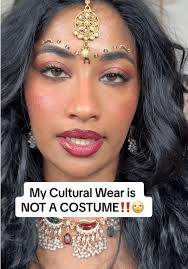
The TikToker apologized, but the brands did not: the Lula Top is still for sale, despite facing protests since March 31, 2025. When the dupatta becomes the “Lula Top,” its roots are severed, and centuries of culture are wiped clean. To erase history is never a neutral act; it’s a violent one. It’s telling that neither Reformation nor Devon Lee Carlson ever responded to the outrage. It’s one thing to absorb a garment into a fashion line; that could be an accident. But then to refuse a conversation with the culture it’s stolen from, that’s a statement, one that perhaps the brand meant all along: the culture is nothing.