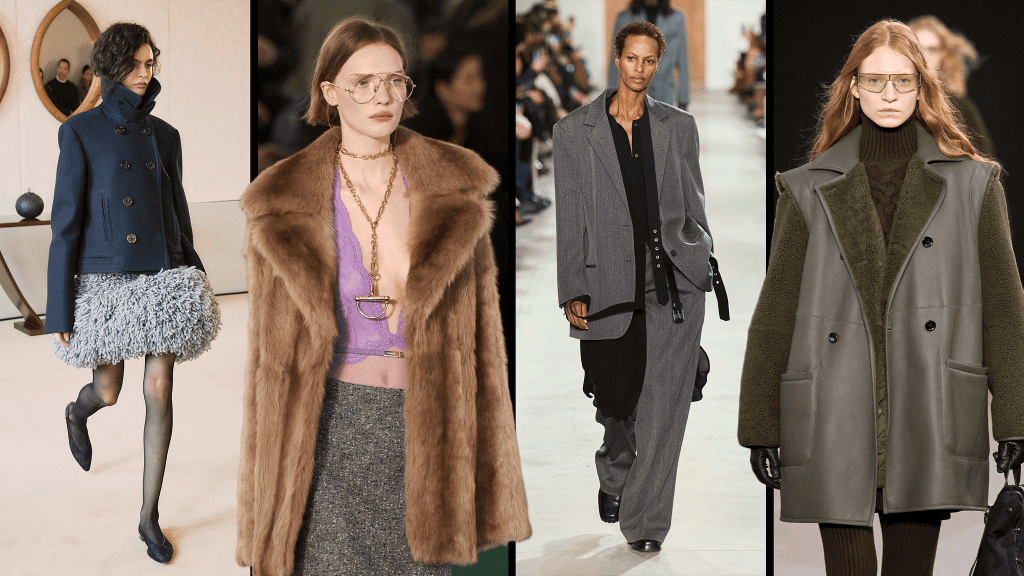
This winter’s biggest outerwear trends: shearling, peacoats, and trenchcoats. Of course all of these are undeniably chic, but are they really the best choice for frigid winter weather?
It turns out that the answer is yes; as global temperatures rise, winters grow milder, and coats aren’t so much strict necessities as fashion pieces.
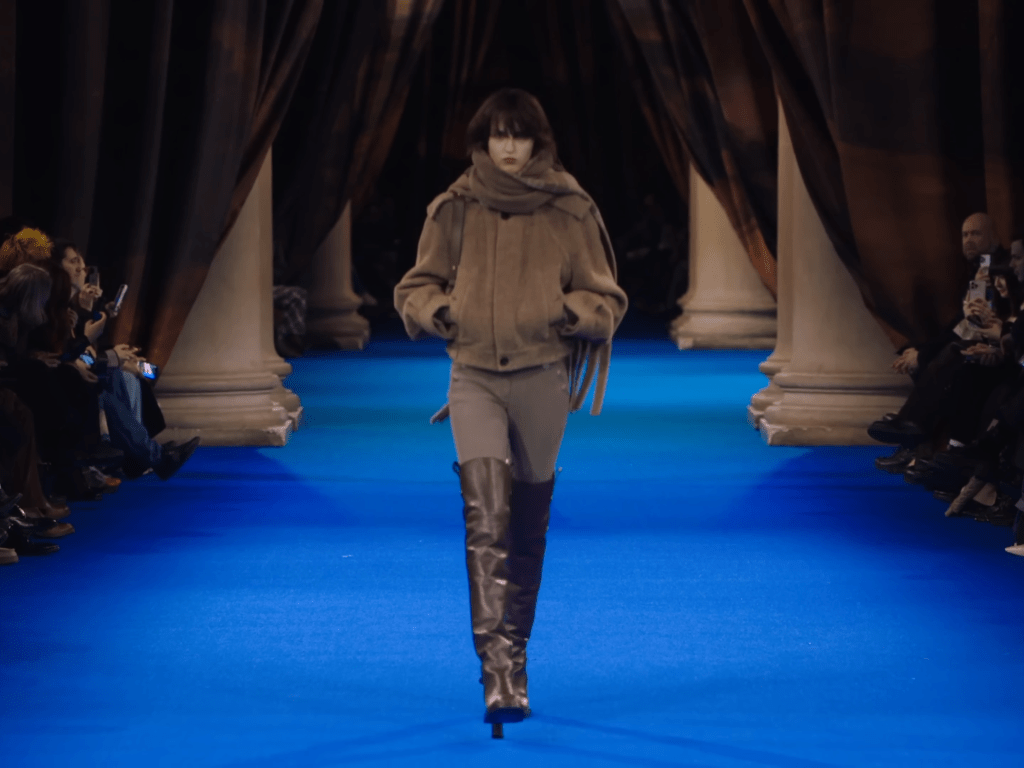
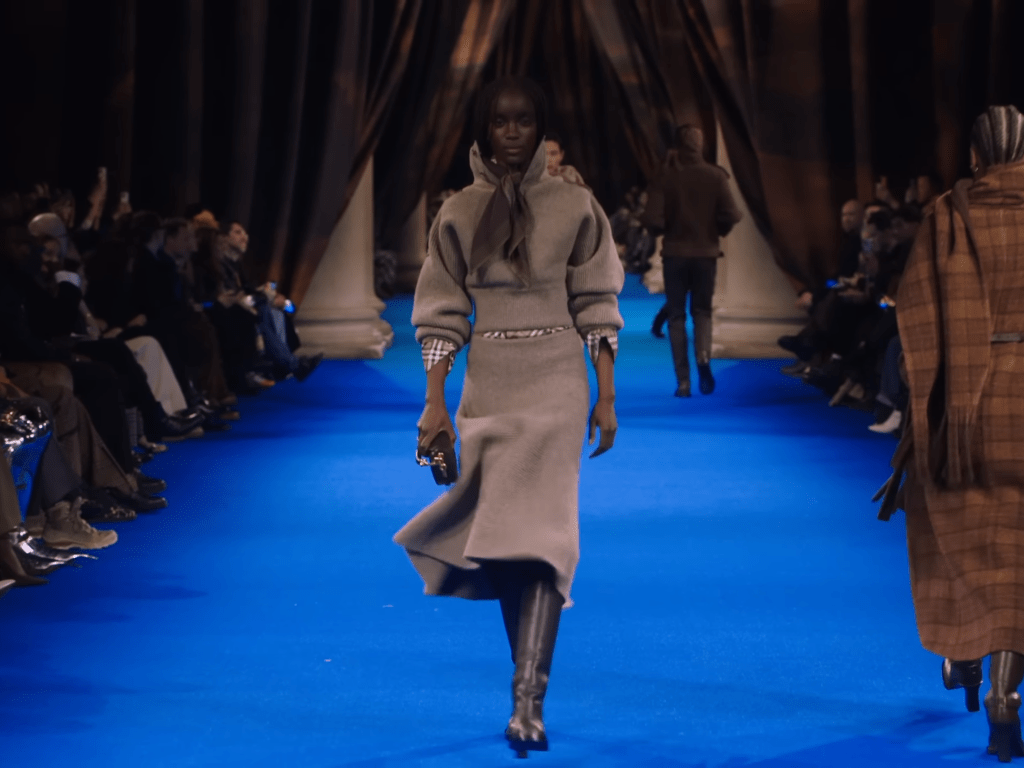
Take Burberry, for example. It originated as a winter coat brand, and, although it has expanded its collections, remains primarily known for its jackets, scarves, and other cold weather apparel. However, in their Winter 2025 Runway Show for London
Fashion Week, they debuted a collection of trenches and sweater dresses.
outerwear collection would feature so little actual warmth.
But buyers aren’t looking for serious coats this season.
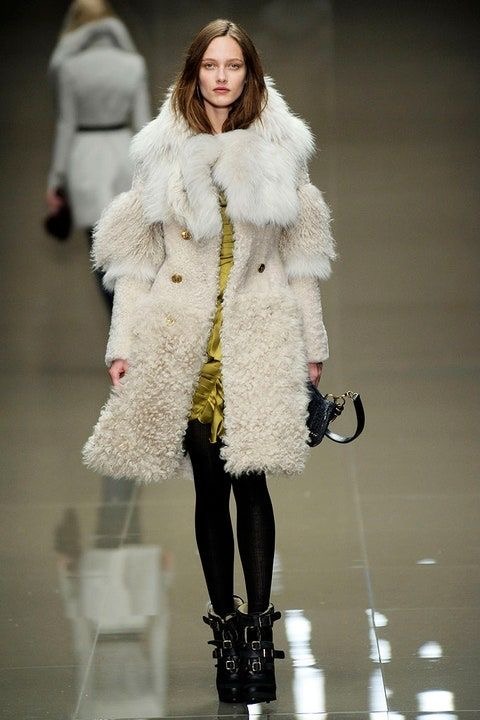
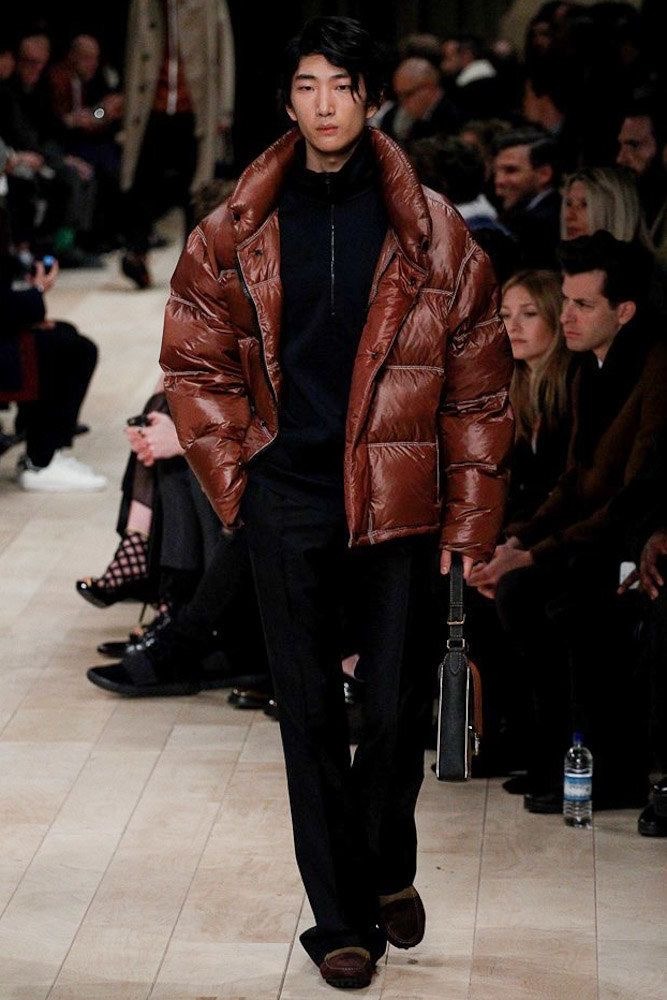
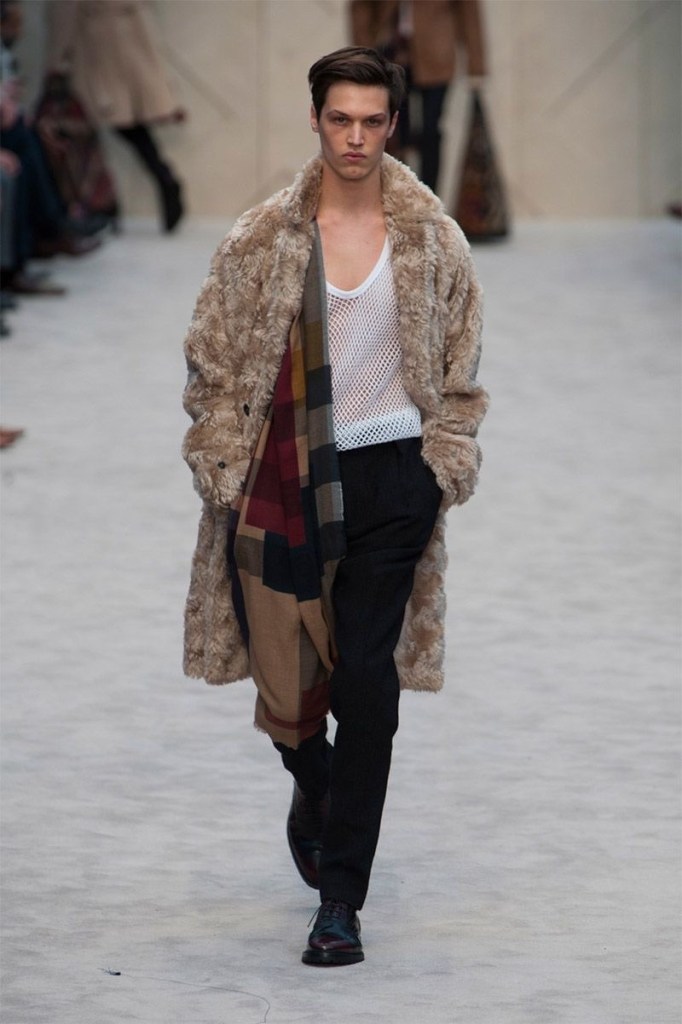
. The World Meteorologist Organization (WMO) reports that the decade of 2015 through 2024 has been the warmest since global records began in 1850. Burberry’s runways before this record breaking jump featured extensive use of fur, as well as wool and puffer jackets. Christopher Bailey’s 2014 collection, for example, leaned heavily into fur, using it to line jackets and hoods for extra warmth. In fact, this was a pattern repeated throughout the early 2000s Burberry’s outfits were meticulously layered with traditional cold-weather pieces, like knit sweaters, and puffer jackets. Scarves, boots, and tights appeared throughout the collection, tying the looks together and reinforcing the idea that these clothes were designed for real winter weather, not just the runway.
All this leads to the question of what winter fashion looks like in a world losing the meaning of winter. How will designers preserve winter fashion when there is no need for it? The increase of lightweight jackets and breathable wool certainly drop some clues.
Frederick Douglass was the most photographed man in America during the 19th century, more than even Abraham Lincoln. He took advantage of this and always dressed well as a way to protest against the idea that Black Americans were less sophisticated than Whites. He quickly became a chief symbol of Black Dandyism, a cultural movement that used elegant clothing as a form of resistance against the racism of the time.
Dandyism itself originated in 18th-century Britain, led by a man named Beau Brummell. The style shifted away from the traditional flamboyancy of the elite at that time, who wore perfectly oiled and curled hair and impossibly tight breeches. Dandyism focused on a simple, but refined masculinity, with perfectly tailored suits and straight lines.
Then, during the Harlem Renaissance in 1920s America, Black Dandyism came into the spotlight. The style emerged as a way for Blacks to showcase their pride in their heritage, in a society that often denied them any dignity. It was a blend of traditional European fashion with African aesthetic influences. The finely cut suits often had vibrant colors and patterns, sometimes going as bold as leopard print. Traditional Black Dandyism was also paired with luxurious jewelry such as watches and canes. The jackets had long tails and velvet vests. In the Congo, followers of the movement—there called La Sape—defined it as “beauty as a way of existing.”
But Black Dandyism wasn’t just beauty; it was speech. Take the Zoot Suit—an intentionally oversized, draping suit with a long coat, strongly shaped shoulders, often paired with a fedora. It was a symbol of swagger and self-pride, popular not just with Black Americans, but also with Americans of Mexican and Filipino descent. In 1943, a group of Mexican, Black, and Filipino teenagers were brutally attacked In downtown LA, because their Zoot Suits distinguished them as defiant of the Jim Crow laws that blatantly limited their rights. White servicemen attacked them, ripping their suits off, violently beating them, and throwing them to the ground. The attack led to three days of riots. One reporter wrote, “Zoot-suits smoldered in the ashes of street bonfires where they had been tossed by grimly methodical tank forces of service men.” The attackers were not arrested. Instead the victims were taken by the police under the charge of disturbing the peace.
This year, Teyana Taylor paid a tribute to this event, and to all Black Dandyism, at the 2025 MET Gala. The theme was Superfine, Tailoring Black Style. Teyana Taylor’s rose-red, velvet zoot suit was adorned with feathers and diamonds, and paired with a red cane. Underneath her prominent feathered top hat was an equally red durag. The cape was embroidered with the phrase “Rose in Harlem”. The historical aspects of the suit, like the exaggerated shoulders and pinstripe pattern, all paid homage to the spirit of Black Dandyism, and to the victims of those who had paved the way for it.
Black Dandyism has always been more than a style, more than its parts. Diana Ross exemplified this in a Met Gala outfit that strayed from the traditional masculinity of Black Dandyism, featuring an 18-foot white flowing shawl, embroidered with the names of her children and grandchildren. She wore a floor-length silver dress and a wide-brimmed feathered hat, paired with statement diamonds. Her decision not to copy the specific elements of traditional Black Dandyism spoke to the fact that Dandy is more than just a style; it is about personal expression and empowerment. Her cape, a tribute to her family, exemplified the generations of Black Americans who were able to live better lives than their predecessors. In the early the 20th century, Black Dandyism signified a kind of dignity not yet given to Black people. You wore a zoot suit and you felt like you were someone – the kind of person who could walk into the Met Gala.
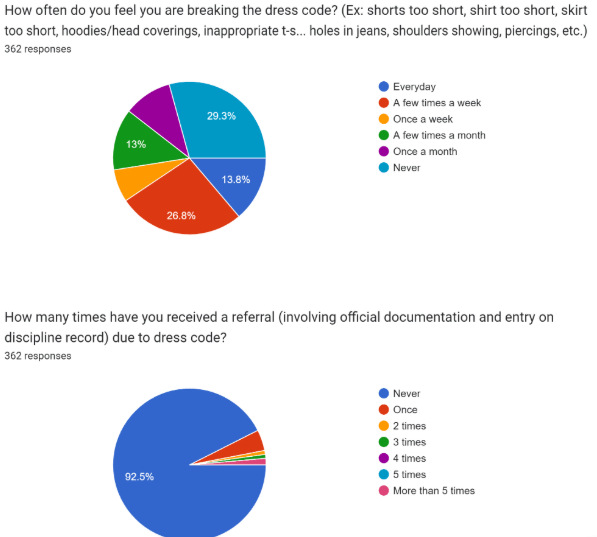
Lola Guzman was a high school student when she noticed that her high school in Louisiana had stricter restrictions on what girls could wear than what guys could, and in the sweltering Southern heat, these rules made a huge difference. Lola began surveying the students at her school, asking questions like their gender, race, and how many times they were caught out of dress code vs how many times they were out of dress code and didn’t get caught. She also reviewed school records of dress code violations. What she found surprised her. It was true that girls were targeted more, but not nearly as much as students of color in general. The school had consistently given out more referrals (which was the punishment for dress code violations. After a certain amount of referrals, grades were dropped and the students had to serve detentions. These held long lasting impacts on the students’ future, and could affect their chances at college.) to students of color. For example, in the 2017-2018 school year, 3.48% of referrals belonged to white males, 5.07% to white females, 38.98% to black males, and 51.03% to black females.
This trend was persistent in all the years she researched. This racial targeting was not just at her school – Lola’s research showed that multiple schools in the area held stricter standards for people of color. For example, durags, which is a protective head covering for black hairstyles, were said to be a violation of the rule that prohibited gang affiliated clothing. According to Lola, students were told their clothing was “gang affiliated”, when really it was just clothing worn more often by black students, such as these durags, or white tank tops. Lola’s research also delved into how school dress codes could often be classist. Schools that require uniforms do not actually provide the uniforms for the students – they have to be purchased at the expense of the parents. She researched a school in New Orleans where, when the parents could not afford the uniform, they had to volunteer four hours at the school for each article of clothing. Obviously low income families did not have the spare time to be volunteering for free, which created an unfair cycle. This type of discrimination is what sparked Lola’s interest in fashion. She saw fashion as a political statement, whether it was something big, or just being able to wear a durag to school. She is still dedicated to sharing her ideologies to the world, and has since switched to painting, where she delves into femininity, and beauty standards.
Last Paris fashion week, designer Willy Chavarria paid tribute to the immigrants and citizens who’ve been detained by ICE across the US. He named the show after his home city, Huron, Ohio, where many families had been affected. His show also drew attention to the imprisonment of over 200 Venezuelan immigrants in a maximum security prison in El Salvador.
In the show’s prelude, 35 models, dressed entirely in white, formed a line, knelt on the ground, clasped their hands behind their backs, and bowed their heads—calling to mind the victims of ICE raids.
Chavarria wanted this show to be about reclaiming identity, especially in a time of cultural erasure. When Hispanic communities feel persecuted, their heritage in America is slowly muted. Chavarria specifically made his show vibrant and colorful to contrast with the white, prison-like outfits in the prelude.
The first model of the show emerged with a bright, minty green suit and bubble-gum pink tie. He wore an angled black top hat with a large white flower on the side, and big-framed sunglasses covered his face. The effect was almost comical and varied greatly from Chavarria’s previous shows, which featured mostly red and black.
Chavarria explained that the color scheme had been modeled after factory workers’ uniforms; specifically, uniforms from communist or dictatorial countries.
For example, the minty green that was so prominent on his show was actually the same green used in the Soviet Union after the World Wars, because they had mass-produced it for war tanks and weapons, and had a lot left over. They painted everything – from schools, to homes, to uniforms – this same green.
Everything was mass-produced and exactly the same. By using this green, Chavarria turns a symbol of conformity into resistance – color colliding against erasure.
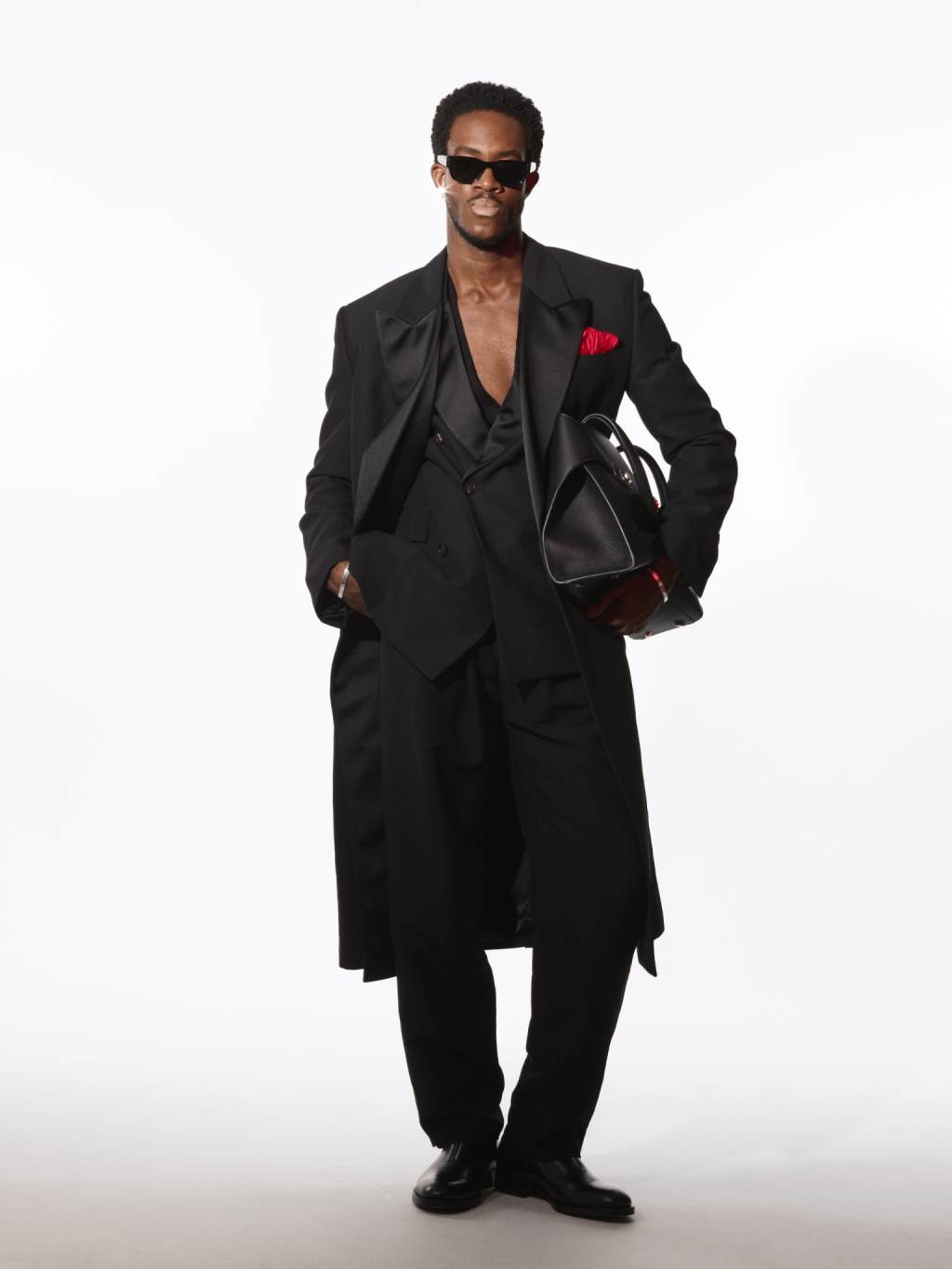
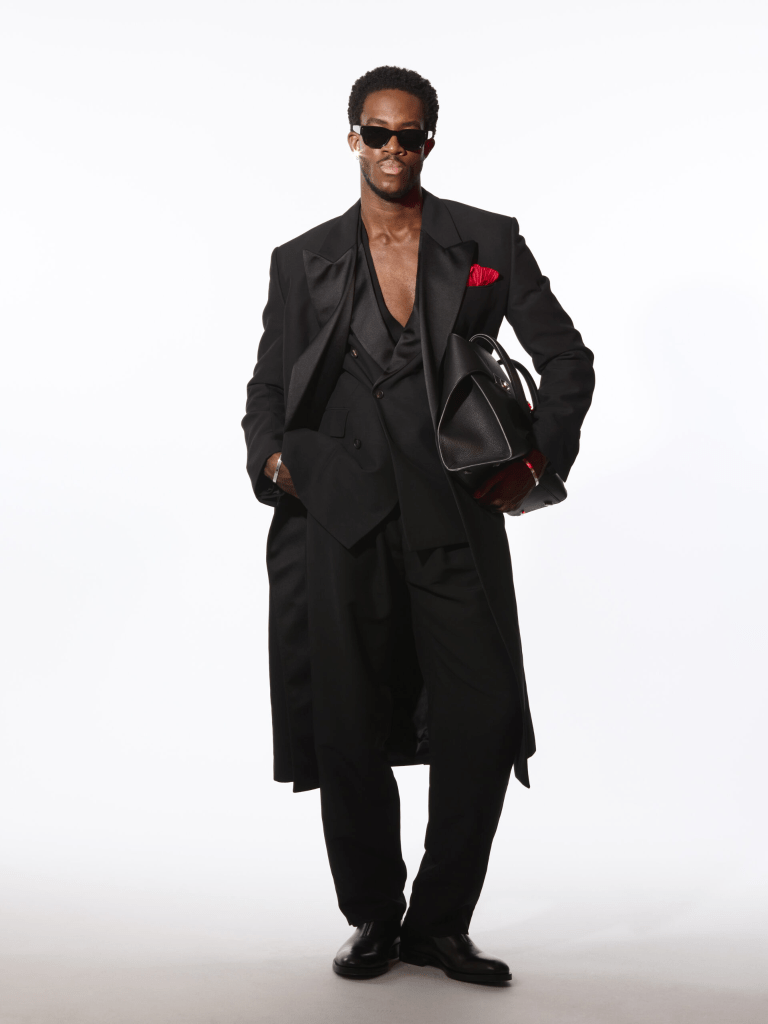
This year’s collection featured much more womenswear than previous years, but all the designs feel masculine, relaying a sense of authority. The silhouettes in particular were sharp and upright. One of these looks had a satin, trench-like coat in a muted olive, a belted, uniformed silhouette, and dark sunglasses.
In an interview, Chavarria mentioned his extensive process in choosing models. He wanted people with personality, whose walks were distinct and who could add to the show’s overall message by their stage presence. He wanted individuals, not automatons.
“I know that fashion can’t change politics,” he said at an awards show last year. “But fashion has more eyes on it than ever before.”
Travel back 3,000 years, to ancient India, into the Indus Valley Civilization. The air is hot and dry. Women are everywhere, participating in markets, agriculture, and art. Some spin cotton by hand, and others trade spices. But across regions and roles, one item connects them all: the dupatta.
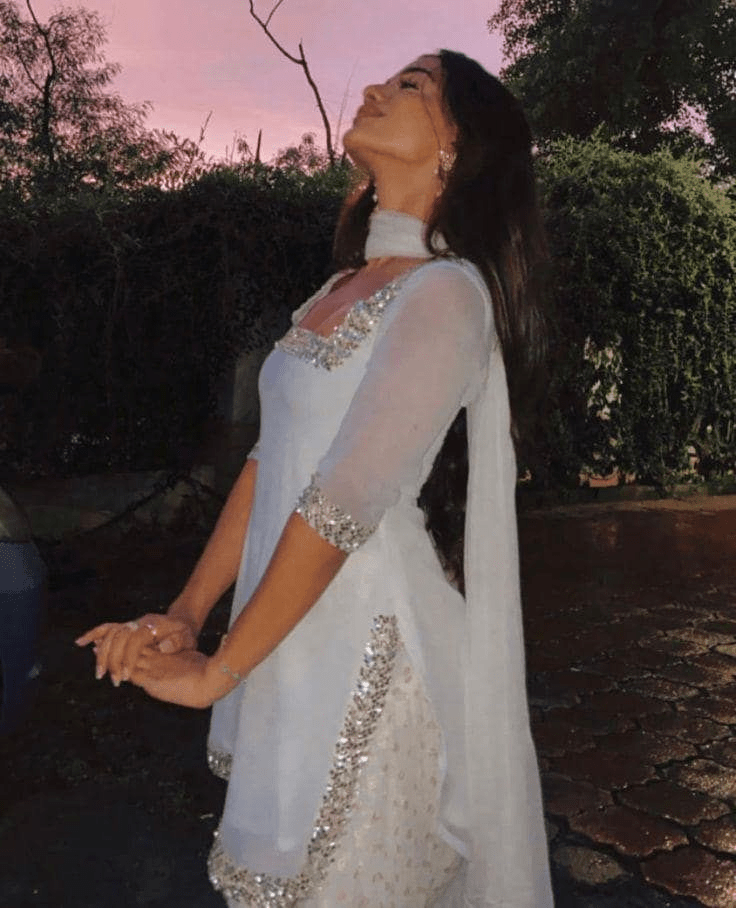
The dupatta is a shawl that carries layers of tradition, modesty, and cultural expression. It began as a covering in ancient India, a protection from the dust and sun. It was worn by both men and women, and used for modesty as well. Eventually men switched to turbans and shawls, and the dupatta became more gendered. This practice intensified when the Mughals, who wore veils for religious reasons, conquered India. Women were now expected to veil themselves. During the Mughal Era, the dupatta became more elaborate, through laborious bead embroidery and hand dyeing.
Even today, the dupatta is a quintessential part of South Asian culture. The dupatta still breathes in every South Asian household. It is thrown over the shoulder by the bride’s sister at a wedding. It’s clutched in the hands of a grandmother as she chants morning prayers. It’s found crushed at the bottom of a handbag after a long day of errands. Still soft, still sacred. Its history is preserved and remembered every time.
Recently, the Dupatta caught the eyes of the Western World.
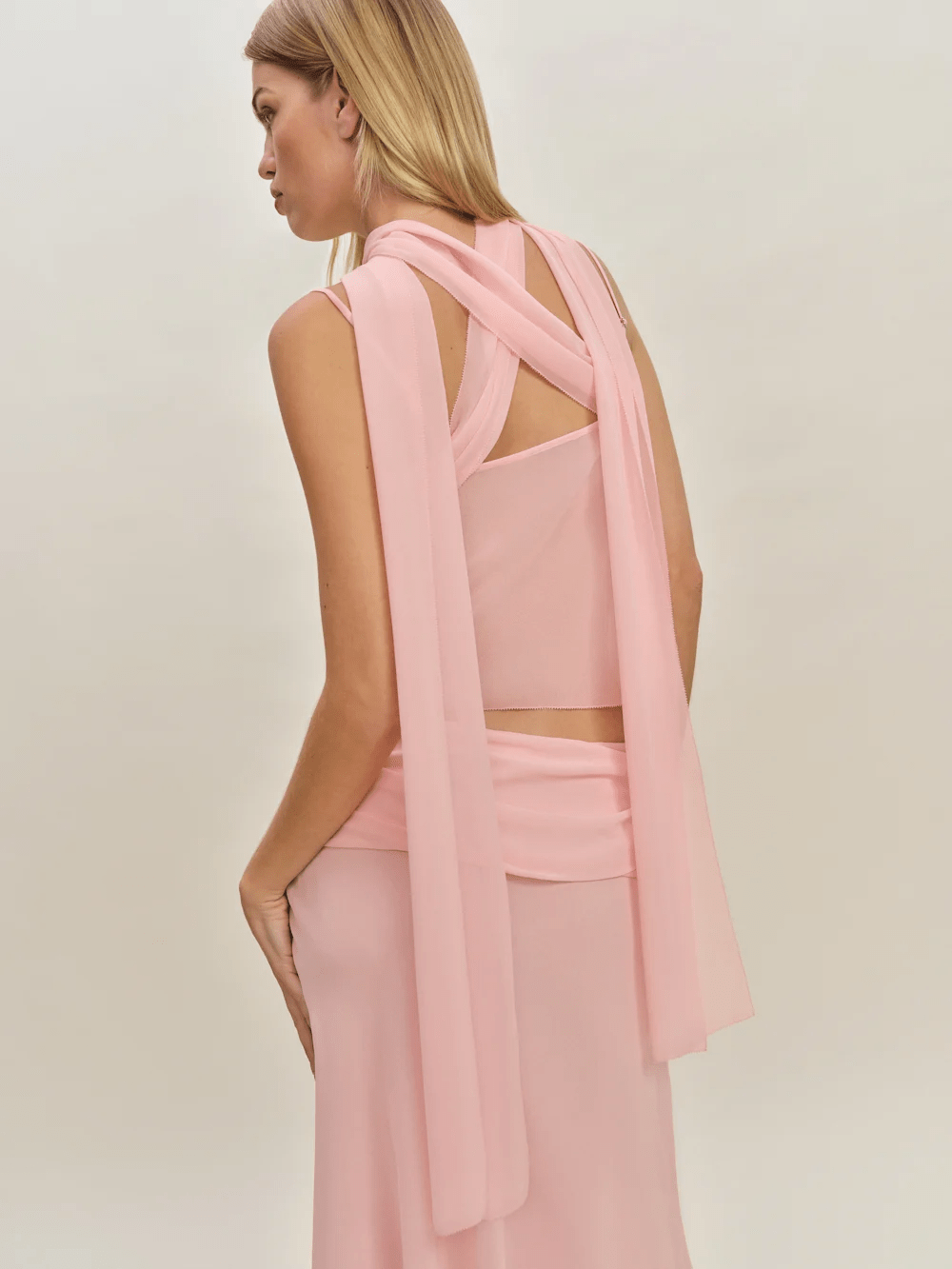
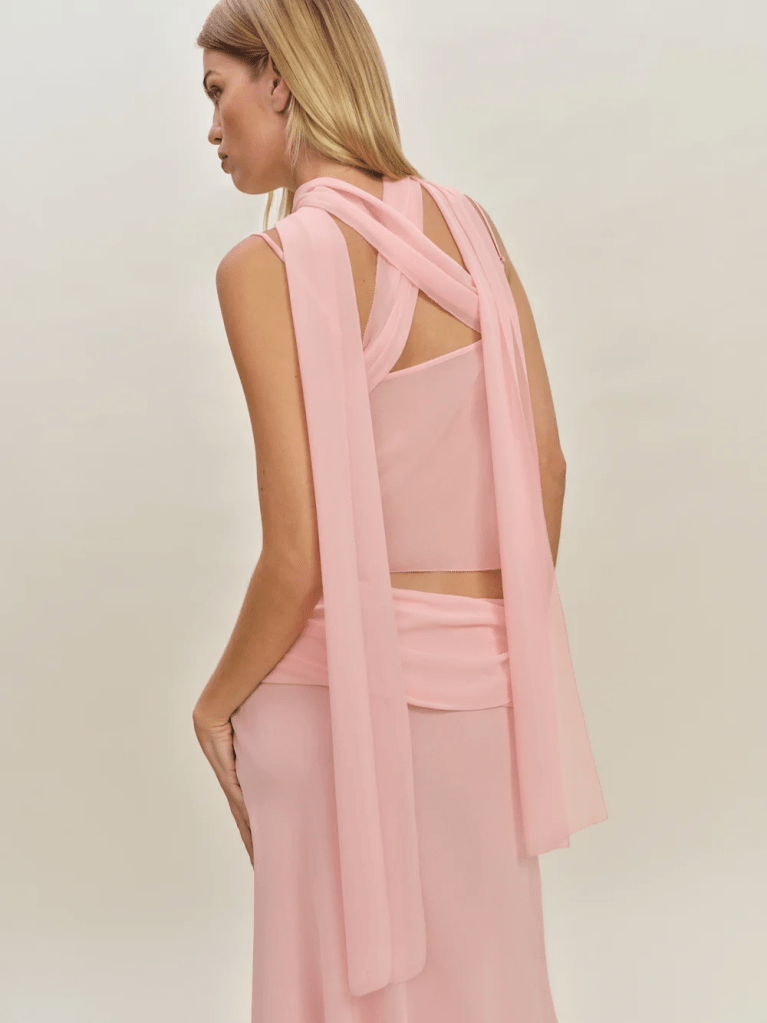
A collaboration by the popular brand, Reformation, and influencer Devon Lee Carlson rebranded the dupatta as their very own “Lula Top”. A sheer piece of fabric, tied across the chest, worn like a scarf – something every South Asian immediately recognized.
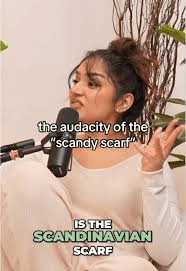
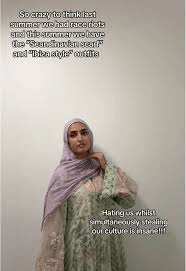
In another instance, a TikTok recently went viral about a girl asking what a specific aesthetic was called. I love this kind of ‘Chic Scandinavian scarf”, she said. What was she talking about?
A dupatta.
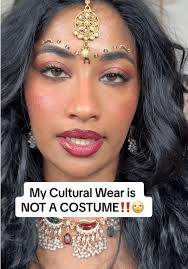
One influencer responded, “You can’t profit off our culture while ignoring our presence.”
The TikToker apologized, but the brands did not: the Lula Top is still for sale, despite facing protests since March 31, 2025. When the dupatta becomes the “Lula Top,” its roots are severed, and centuries of culture are wiped clean. To erase history is never a neutral act; it’s a violent one. It’s telling that neither Reformation nor Devon Lee Carlson ever responded to the outrage. It’s one thing to absorb a garment into a fashion line; that could be an accident. But then to refuse a conversation with the culture it’s stolen from, that’s a statement, one that perhaps the brand meant all along: the culture is nothing.
The Clean Girl Aesthetic. Neutral colors. Business casual. Quiet Luxury. Skinny Scarves. All of these, and many more, have recently joined the latest TikTok trend: recession indicators.
The term “recession core” has gone viral on TikTok, with influencers wondering if polka dots and skinny scarves are indicators of an upcoming financial crisis. (Skinny scarves were popular during the 2008 recession, and their recent uptake in popularity is creating questions about relations between the two.)
There are lots of theories about how the economy drives fashion. Some theories say that shorter skirt hemlines symbolize times of stability, like flapper dresses in the “Roaring Twenties”, while longer skirts grow popular in times of distress, like in the Great Depression. Fashion supposedly grows less flamboyant when money is tight.
Bright colors, flashy logos, and risky silhouettes are swapped for button-downs, blazers, and neutral colors. Big logos can even seem gaudy when so many people are struggling to make ends meet.
One of the most popular examples of this is called The Lipstick Theory. The idea behind this is that people prioritize small luxuries. In times of crises, big money expenses are unimaginable. Why would anyone drop thousands on a bag when they are struggling to put food on the table? People would rather gift themselves smaller items – like lipstick. It’s an affordable luxury.
These patterns have been observed countless times. The most recent was in the 2008 recession, when fashion was the epitome of business casual. Clothing was functional for both the office and the club. Blazers, ties, and button-down shirts were commonly layered on top of jeans and mini skirts.
Nearly two decades later, in March, 2025, Stella McCartney released a new collection along the same lines. She called it From laptop to lapdance. The title itself is an eery repetition of the early two thousands. It was a series of blazers and low cut suits. If they hadn’t known, someone could’ve assumed this collection was from 2008.
After 2008, fashion experienced a surge of maximalism, peaking right before Covid. Clothes were overwhelmingly bright and colorful, and the goal was to stack as much jewelry as possible. Then came the Clean Girl Aesthetic. Fashion became minimalistic and quiet. Slick back buns, neutral colors, and multi-use shoes were all the rage on social media.
There was a shift in mindset where people were trying to hide their effort. Instead of experimenting with style, colors, and shapes to stand out, everyone was trying to look like the ultimate clean girl – or in other words, trying to look the same.
This sameness is reaching new heights, fueled through social media. The products influencers are paid to push are suddenly selling out everywhere. Basic outfits from celebrities like Hailey Bieber and Kendell Jenner, as well as celebrities from the early two 2000s, like Kate Moss, are now the epitome of cool. There was a recent outcry when people were racing to find the perfect Jendell Jenner tank top – a basic white top from H&M. There are aisles in makeup stores set aside for the TikTok famous products. Why? Because everyone wants to be like the influencers, and as a result, everyone is in a race to become the same.
More dangerously, the trend of following influencers has contributed to the rise of “SkinnyTok.” Before COVID, there was a rise in inclusivity, with more plus-size bodies shown in the media than ever before. Recently, potentially due to the “perfect” bodies seen online, there is once again an unhealthy emphasis on being thin. This echoes trends from 2008, and it’s frightening to think society may be regressing. However, because this time the pressure comes from actual people in the form of influencers—instead of big brands—the impact is more deeply embedded in the minds of consumers. The rise of “SkinnyTok” and minimalism reflect how society is is pushing values tied to self-restraint and conformity through fashion.
Fashion is a form of art, and like all art, it reflects our reality. The fashion within the recession core might be doing just that. Whether it’s a genuine response to economic uncertainty or just another internet trend, the rise of minimalism and subtlety reveal the underlying anxiety within society. In times of uncertainty, blending in can feel more comfortable. However, this could lead to a decline in personal identity and diversity.
New York Fashion Week. The streets are bustling with extravagant outfits and eager designers. Down in the Public Hotel, an exclusive show is just beginning. The audience is seated directly on either side of the runway, enraptured as model after model struts down the stage, wearing the distinctive pieces of Patricio Campillo. His designs are built off of one particular Charro suit, handed down from his grandfather, then to his father, and finally to Campillo himself. He has transformed it; the pants have turned into elegant, flowy skirts, and the blazer into long, draping cloaks. His aim in this suit, along with much of his collection, is to preserve his Mexican culture, while incorporating his own progressive style, and giving a voice to queer design.
Campillo grew up around the Charro culture of traditional Mexican horsemen.. He was riding horses by age three, and got his first Charro suit at five. Decades later, Campillo felt that Charro culture was being left behind and wanted to keep the beauty of the artisanal tradition and craftsmanship alive.
While Campillo pays tribute to his heritage, he acknowledges the flaws within the strict traditions of the Charro culture, mainly the homophobia. Growing up as a queer boy, he never felt completely comfortable with expressing himself. As a designer, he wanted not just to amplify the Charro culture, but redefine it – displaying the beauty of his heritage while also battling its homophobia. This led him to his suits – designs that challenge traditional gender norms and clothing rules. By adding feminine touches to the masculine garments of his heritage, like using corsets to accentuate silhouettes, or changing trousers to skirts, Campillo is redefining traditional menswear – blurring the lines of traditional clothing, and creating something new and fluid.
The effect is almost surreal. And in fact, Campillo drew inspiration from Remedio Varos, a Spanish Mexican surrealist painter who uses dreamlike images to convey complex emotional states. Campillo was drawn to her supernatural aesthetics, particularly the way she dresses the witches and wizards in her paintings, which inspired the layered textures and fluid silhouettes in his dreamlike version of the charro suit.
Before Campillo started designing, he began a career in politics, but he hated it. He had always loved fashion, and the world he found in magazines like Love Magazine, Purple, i-D, Self Service, and Garage His boss eventually fired him, perhaps because he didn’t want to pay Campillo to read magazines all day. This was the kick the designer needed to follow his dreams. He went into journalism and moved to Paris where he became an assistant to Tiffany Godoy, the editor of The Reality Show Magazine. There Campillo got the opportunity to go to re-sees. He’d spend hours examining the designs, which is how he learned about clothing and realized he wanted to be a designer. Although Campillo never underwent any formal training, he moved back to Mexico and created his own brand in 2017.
By 2024, he was a semifinalist for the LVMH Prize and later that year he got the chance to have a show at his first ever New York Fashion Week.
One year later, Campillo has emerged as a designer who sees fashion as more than just clothes; he sees it as a form of communication. His goal has always been to break away from the traditional rules, blending personal identity with political expression, using bold T-shirts, powerful statements, and culturally-rooted designs to speak out. “Inclusivity is one of the most important tools to allow tradition to remain relevant,” Campillo said.
When the last model steps off the runway at his second ever show, Campillo appears, jogging into the spotlight. Emblazoned on his shirt are the words “Golfo de Mexico”. The phrase, an allusion to Trump’s threats to rename the gulf, was an example of what Campillo is always doing in his work—how his clothing is at once an expression of his Mexican heritage and a form of political protest. He is a perfect example of how fashion and politics meet, not quietly, but in loud, unapologetic ways that demand to be seen and heard.
“Jin, Jiyan, Azadî.” “Woman, Life Freedom.” The chants can be heard through the streets of Iran, shouted by furious women hoisting signs and banners. The smell of burning hijabs fills the air, and the once-covered women have cut their hair and are protesting proudly in support of Masha Amini. Masha was a 22-year-old Kurdish woman who was so brutally attacked by the police that she fell into a coma and died. Her offense? Wearing her hijab “improperly.”
Photo: Markus Schreibe for the AP
Just a year earlier in France, another scene. A social media campaign #HandsOffMyHijab is going viral. Muslim women have been banned from wearing religious coverings in sports, such as the hijab or the even more modest burka. 16-year-old Mariem Chourak is furious. “It’s part of my identity. To force me to remove it would be a humiliation. I cannot understand why they would want to pass a law that discriminates.”
Woman playing basketball in France. Photo: Amnesty International
Iran and France may seem worlds apart, but they’re actually fighting the same battle. One side forces women to wear the hijab; the other bans them from wearing it. In both cases, the message is clear: women don’t get to choose. Whether enforced or outlawed, it’s about control. In Iran, they say the hijab is mandatory in the name of faith and morality. In France, it’s banned in the name of freedom and secularism. But both countries, despite their vastly different approaches, are rooted in the same patriarchal mindset: the idea that women’s choices aren’t their own to make. The protests are not for or against the hijab, but for the right to choose.
But what really is the hijab and why is it such a big deal?
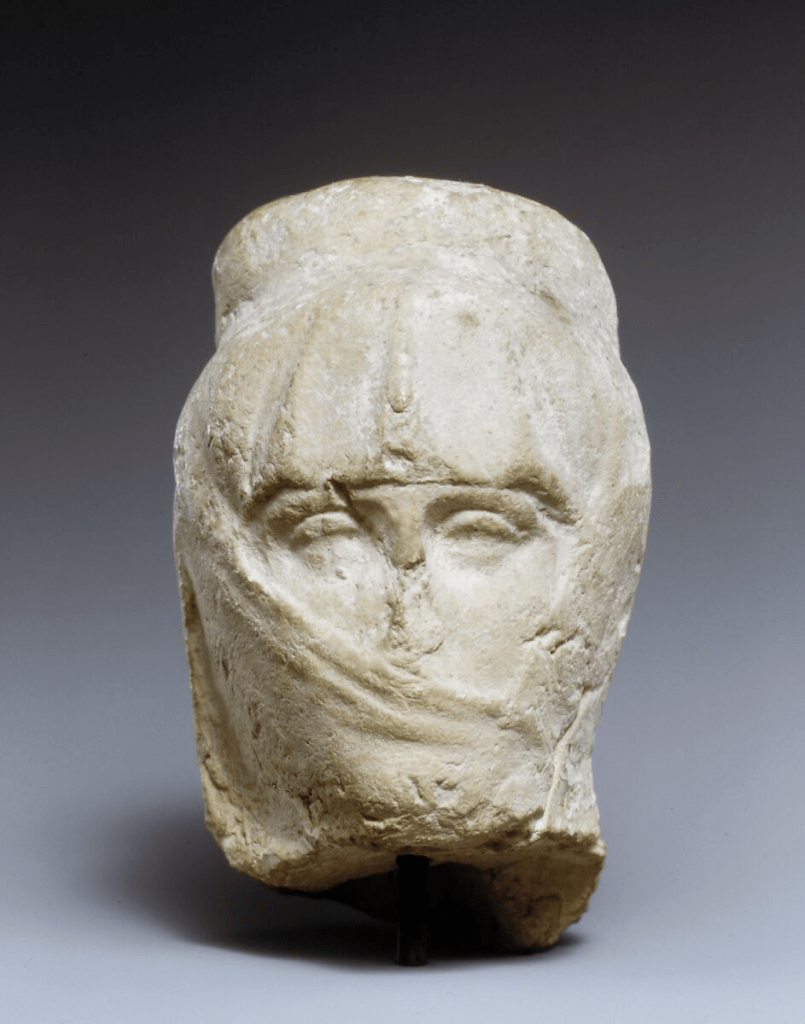
Long before the hijab, veiling originated in ancient Mesopotamia among married women. In some ways, it was similar to the hijab, a marker of modesty. But it also carried an additional meaning as a symbol of honor and exclusivity. Slaves and prostitutes were expressly forbidden by the Code of Hammurabi from veiling their heads. The veil wasn’t just a symbol of modesty, It was also a mark of a woman’s social position, separating elite women from the lower classes.
Terracota head of Greek woman wearing veil. Photo: Metropolitan Museum of Art
This practice of veiling for the elites was adopted by ancient Greeks. But it wasn’t until Roman times that all women began wearing the veil as a sign of dereference to their husbands. Women donned their veils for the first time on their wedding days to protect themselves from evil spirits. From then on, they always wore the veil in public.
All of this to say that the veil was a prominent practice long before the creation of Islam. In the Quran, the Prophet Muhammad encourages modesty for both muslim men and women, but veiling was never mandated by the laws of Mecca. While muslim women were required to wear the veil, women of other beliefs could dress differently.
It was only with the Iranian Revolution in 1979 that a government required all women, regardless of their belief, to veil in public. A garment that once distinguished muslim women was now required of all women. People no longer had the right to choose Islam. Instead, it was forced upon them in the form of the hijab mandate. And so began the debate over the right to choose…
Today, the hijab remains as much a reflection of culture as it is of religion. Its meaning varies widely depending on where people live, their personal tastes, and societal expectations. For some, it’s a deeply personal expression of faith; for others, it’s a connection to heritage and tradition. In the modern world, it intersects with fashion, becoming a way for women to express individuality and agency within their cultural and religious identities.
Photo Illustration: The Asian Australian Project
In Indonesia, for example, women wear a kerudung, which is a headscarf pinned neatly on both sides. On the other hand, Turkish women love to wear bold, satin hijabs with vibrant colors and unique prints. These are square and can be tied however the wearer likes. Hijabs have even blended into streetwear fashion and are styled with hoodies and sneakers in Western countries such as the United States or the UK.
Photo Illustration: @mumzzz / Pinterest
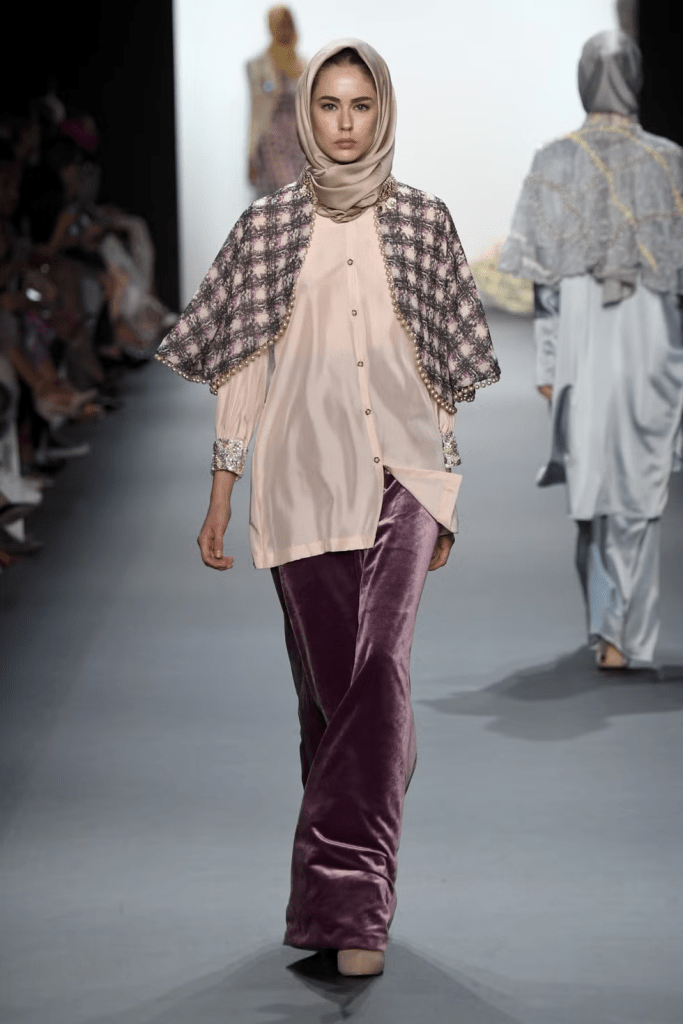
Perhaps the most fabulous hijab appearance of the 21st century was Anniesa Hasibuan, whose designs made headlines for their stunning blend of tradition and high fashion. Picture sleek evening gowns in pastel shades, detailed with shimmering embroidery, seamlessly fitting with their paired hijabs. Her collection at New York Fashion Week marked the first time a designer sent models down the runway wearing hijabs with every outfit. It wasn’t just a statement but a celebration of modest fashion and a challenge to conventional beauty standards.
Photo: Getty Images
As a child, Anniesa grew up surrounded by the hijab in Indonesia. However as she grew her career in fashion, she realized the hijab could be more than a religious covering. It could be a symbol of self-expression. “The message for my collection is [to encourage] women to be strong and confident,” she said. “Though I might style the garments in a way that caters to my core customer of modest fashion followers…I hope that Muslim or not, [women] will find beauty in my work.” Through her designs, Anniesa challenged the stigma around modest dressing and increased hijabi representation
Photos: Getty Images
Her work carries an unspoken message: women should have the right to define themselves. Whether they choose to wear the hijab or not, it’s their decision.
Fashion has always been about resistance, a form of protest against conformism. In France, it’s a teenage girl demanding the right to wear her hijab to school. In Iran, it’s a woman tossing her headscarf into a fire and letting her hair fall free. In both places, the fight is not about what women wear but about who gets to decide. The hijab becomes a symbol of something larger: a right to self-expression, a stand against those who seek to control women’s bodies and lives. Whether stitched into Hasibuan’s dazzling designs or burned in the streets, it represents freedom—not of or from religion, but from oppression.



 In an interview, Chavarria mentioned his extensive process in choosing models. He wanted people with personality, whose walks were distinct and who could add to the show’s overall message by their stage presence. He wanted individuals, not automatons.