Tag: met-gala

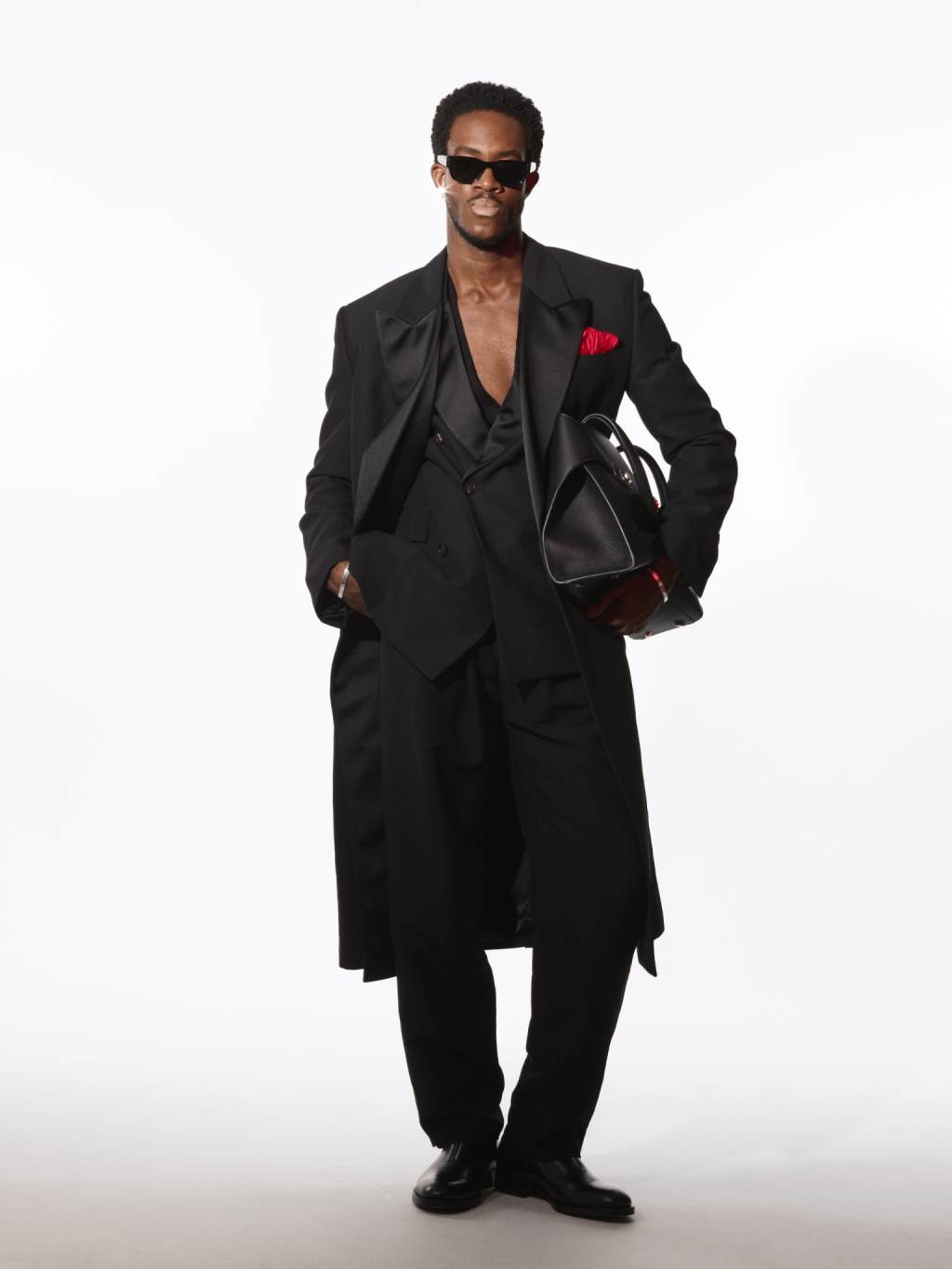
  • Black Dandyism – the Roots and the Impact of the 2025 MET Gala Theme

    Black Dandyism – the Roots and the Impact of the 2025 MET Gala Theme

    Frederick Douglass was the most photographed man in America during the 19th century, more than even Abraham Lincoln. He took advantage of this and always dressed well as a way to protest against the idea that Black Americans were less sophisticated than Whites. He quickly became a chief symbol of Black Dandyism, a cultural movement that used elegant clothing as a form of resistance against the racism of the time. 

    Dandyism itself originated in 18th-century Britain, led by a man named Beau Brummell. The style shifted away from the traditional flamboyancy of the elite at that time, who wore perfectly oiled and curled hair and impossibly tight breeches. Dandyism focused on a simple, but refined masculinity, with perfectly tailored suits and straight lines.

    Then, during the Harlem Renaissance in 1920s America, Black Dandyism came into the spotlight. The style emerged as a way for Blacks to showcase their pride in their heritage, in a society that often denied them any dignity. It was a blend of traditional European fashion with African aesthetic influences. The finely cut suits often had vibrant colors and patterns, sometimes going as bold as leopard print. Traditional Black Dandyism was also paired with luxurious jewelry such as watches and canes. The jackets had long tails and velvet vests. In the Congo, followers of the movement—there called La Sape—defined it as “beauty as a way of existing.” 

    But Black Dandyism wasn’t just beauty; it was speech. Take the Zoot Suit—an intentionally oversized, draping suit with a long coat, strongly shaped shoulders, often paired with a fedora. It was a symbol of swagger and self-pride, popular not just with Black Americans, but also with Americans of Mexican and Filipino descent. In 1943, a group of Mexican, Black, and Filipino teenagers were brutally attacked In downtown LA, because their Zoot Suits distinguished them as defiant of the Jim Crow laws that blatantly limited their rights. White servicemen attacked them, ripping their suits off, violently beating them, and throwing them to the ground. The attack led to three days of riots. One reporter wrote, “Zoot-suits smoldered in the ashes of street bonfires where they had been tossed by grimly methodical tank forces of service men.”  The attackers were not arrested. Instead the victims were taken by the police under the charge of disturbing the peace. 

    This year, Teyana Taylor paid a tribute to this event, and to all Black Dandyism, at the 2025 MET Gala. The theme was Superfine, Tailoring Black Style. Teyana Taylor’s rose-red, velvet zoot suit was adorned with feathers and diamonds, and paired with a red cane. Underneath her prominent feathered top hat was an equally red durag. The cape was embroidered with the phrase “Rose in Harlem”. The historical aspects of the suit, like the exaggerated shoulders and pinstripe pattern, all paid homage to the spirit of Black Dandyism, and to the victims of those who had paved the way for it. 

     Black Dandyism has always been more than a style, more than its parts. Diana Ross exemplified this in a Met Gala outfit that strayed from the traditional masculinity of Black Dandyism, featuring an 18-foot white flowing shawl, embroidered with the names of her children and grandchildren. She wore a floor-length silver dress and a wide-brimmed feathered hat, paired with statement diamonds. Her decision not to copy the specific elements of traditional Black Dandyism spoke to the fact that Dandy is more than just a style; it is about personal expression and empowerment. Her cape, a tribute to her family, exemplified the generations of Black Americans who were able to live better lives than their predecessors. In the early the 20th century, Black Dandyism signified a kind of dignity not yet given to Black people. You wore a zoot suit and you felt like you were someone – the kind of person who could walk into the Met Gala. 
  • Runway Revolution: Charro Roots and Corset Suits

    Runway Revolution: Charro Roots and Corset Suits

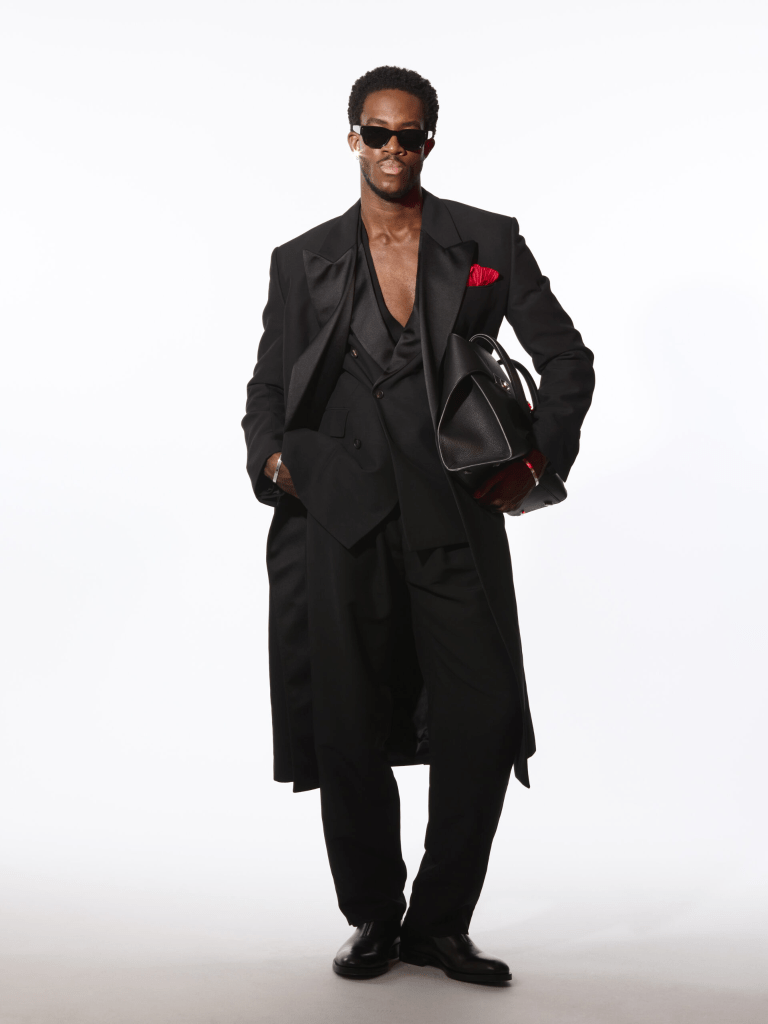
    New York Fashion Week. The streets are bustling with extravagant outfits and eager designers. Down in the Public Hotel, an exclusive show is just beginning. The audience is seated directly on either side of the runway, enraptured as model after model struts down the stage, wearing the distinctive pieces of Patricio Campillo. His designs are built off of one particular Charro suit, handed down from his grandfather, then to his father, and finally to Campillo himself. He has transformed it; the pants have turned into elegant, flowy skirts, and the blazer into long, draping cloaks. His aim in this suit, along with much of his collection, is to preserve his Mexican culture, while incorporating his own progressive style, and giving a voice to queer design.

    Campillo grew up around the Charro culture of traditional Mexican horsemen.. He was riding horses by age three, and got his first Charro suit at five. Decades later, Campillo felt that Charro culture was being left behind and wanted to keep the beauty of the artisanal tradition and craftsmanship alive.

    While Campillo pays tribute to his heritage, he acknowledges the flaws within the strict traditions of the Charro culture, mainly the homophobia. Growing up as a queer boy, he never felt completely comfortable with expressing himself. As a designer, he wanted not just to amplify the Charro culture, but redefine it – displaying  the beauty of his heritage while also battling its homophobia. This led him to his suits – designs that challenge traditional gender norms and clothing rules. By adding feminine touches to the masculine garments of his heritage, like using corsets to accentuate silhouettes, or changing trousers to skirts, Campillo is redefining traditional menswear – blurring the lines of traditional clothing, and creating something new and fluid.  

    The effect is almost surreal. And in fact, Campillo drew inspiration from Remedio Varos, a Spanish Mexican surrealist painter who uses dreamlike images to convey complex emotional states. Campillo was drawn to her supernatural aesthetics, particularly the way she dresses the witches and wizards in her paintings, which inspired the layered textures and fluid silhouettes in his dreamlike version of the charro suit. 

    Before Campillo started designing, he began a career in politics, but he hated it. He had always loved fashion, and the world he found in magazines like Love Magazine, Purple, i-D, Self Service, and Garage  His boss eventually fired him, perhaps because he didn’t want to pay Campillo  to read magazines all day. This was the kick the designer needed to follow his dreams. He went into journalism and moved to Paris where he became an assistant to Tiffany Godoy, the editor of The Reality Show Magazine. There Campillo  got the opportunity to go to re-sees. He’d spend hours examining the designs, which is how he learned about clothing and realized he wanted to be a designer.
    Although Campillo never underwent any formal training, he moved back to Mexico and created his own brand in 2017. 

    By 2024, he was a semifinalist for the LVMH Prize and later that year he got the chance to have a show at his first ever New York Fashion Week. 

    One year later, Campillo has emerged as a designer who sees fashion as more than just clothes; he sees it as a form of communication. His goal has always been to break away from the traditional rules, blending personal identity with political expression, using bold T-shirts, powerful statements, and culturally-rooted designs to speak out. “Inclusivity is one of the most important tools to allow tradition to remain relevant,” Campillo said. 

    When the last model steps off the runway at his second ever show, Campillo appears, jogging into the spotlight. Emblazoned on his shirt are the words “Golfo de Mexico”. The phrase, an allusion to Trump’s threats to rename the gulf, was an example of what Campillo is always doing in his work—how his clothing is at once an expression of his Mexican heritage and a form of political protest. He is a perfect example of how fashion and politics meet, not quietly, but in loud, unapologetic ways that demand to be seen and heard.